


The best AI tools for lawyers are becoming less of a luxury and more of a necessity. Most lawyers don’t expect to spend hours on admin work, yet a large part of the day disappears into emails, formatting, and repetitive drafting. That leaves limited time for billable work.
AI promises to change that. It can reduce routine tasks and give you back time for real legal thinking. Still, once you start exploring tools, the choices quickly become overwhelming. Many sound similar, but not all deliver real value.
So how do you choose wisely? The answer is simpler than it seems. Focus on what actually saves time without adding new risks.
Listen to the Podcast!
What Are AI Tools for Lawyers?
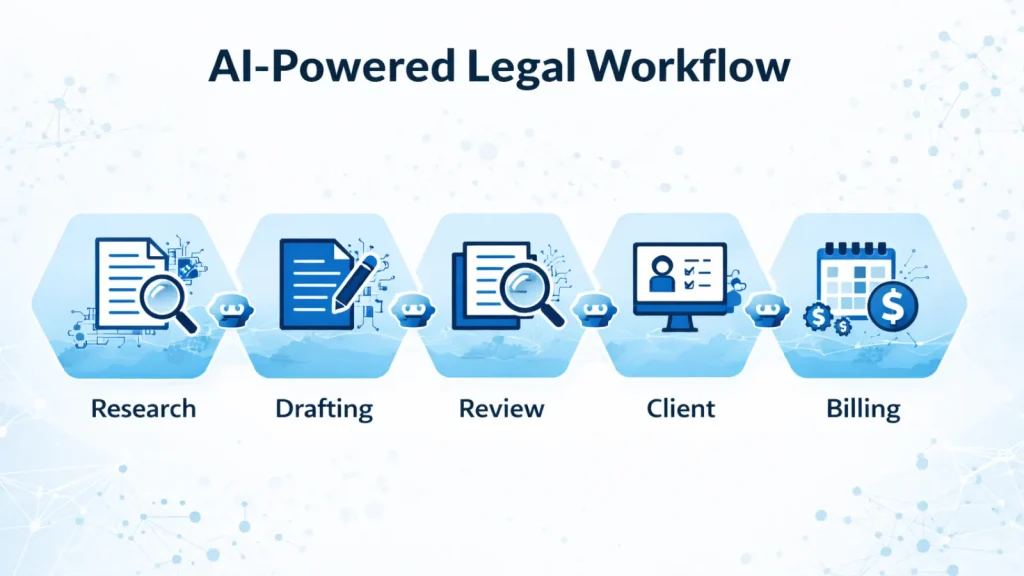
The best AI tools for lawyers are software platforms built to handle time-consuming legal tasks. They use technologies like machine learning and language processing to analyze information and generate useful outputs.
You’ll find these tools across every type of legal setup. Solo lawyers use them to manage workload. Larger firms rely on them to improve efficiency across teams. In-house counsel use them to keep up with growing demands.
The reason they matter now is simple. Clients expect faster responses and better communication, often at lower cost. At the same time, legal work itself hasn’t become any simpler.
AI helps by taking care of the groundwork. It can summarize research, generate drafts, and compare documents. Still, it doesn’t replace judgment. That part remains with the lawyer.
A simple way to think about it is this. The best AI tools for lawyers handle preparation, while lawyers focus on decisions. That distinction becomes important when evaluating any platform.
Quick Answer
The AI Lawyer tools help automate research, drafting, document review, and client intake. The right choice depends on your practice area, firm size, and budget. Focus on accuracy, data security, compliance, and how well the tool fits your daily workflow.
What Can AI Actually Do for Your Legal Practice?
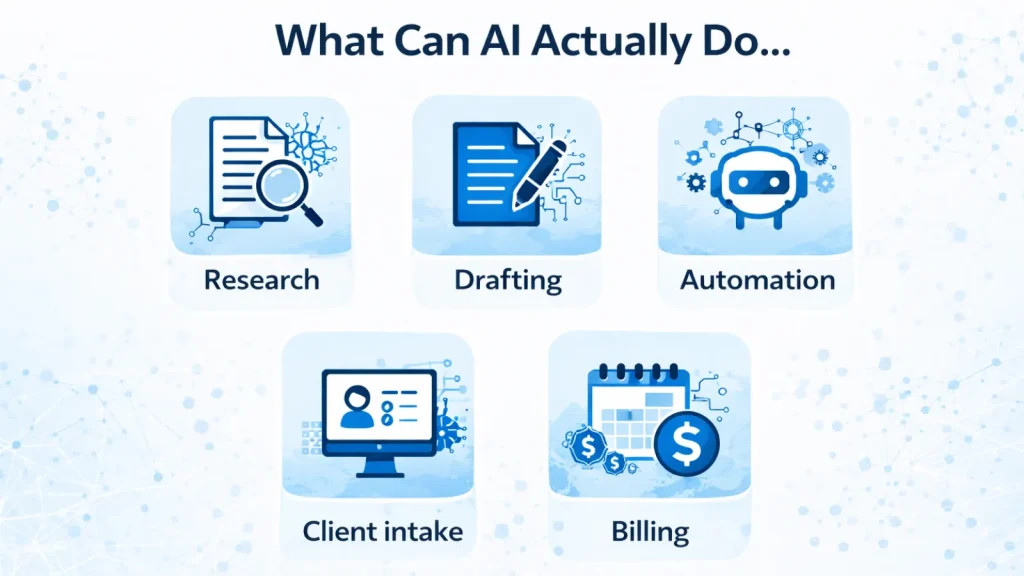
The AI Lawyer tools are not one-size-fits-all. They cover different parts of legal work. Once you understand these areas, choosing the right tool becomes much easier.
Legal Research
Research often takes up a large part of a lawyer’s time. The best AI tools for legal research can scan case law, statutes, and commentary in seconds.
Speed helps, but accuracy matters more. Some tools generate citations that appear valid but don’t exist. That creates risk.
A good tool should help you verify information, not just present it. If research is slowing you down, this is usually the first place where AI makes a noticeable impact.
Contract Drafting and Review
Drafting contracts repeatedly can feel tedious. The best AI tools for lawyers can generate first drafts using prompts or templates.
They also assist in reviewing documents. Missing clauses, inconsistent terms, or unusual language can be flagged quickly.
This is especially useful for lawyers handling large volumes of agreements. Still, the output needs review. AI gives you a starting point, not a final version.
Document Automation
Some legal documents follow the same structure every time. Writing them from scratch isn’t efficient.
The best AI tools for lawyers turn these into smart templates. You input client details, and the document is generated automatically.
This can save hours each week. For solo lawyers or small firms, the impact is immediate and practical.
Client Intake and Communication
Responding quickly to new clients can be challenging. Delays often lead to missed opportunities.
The best AI tools for lawyers can handle initial intake. They collect details, ask structured questions, and organize information before you step in.
They can also draft responses to common queries. This keeps communication smooth and consistent, which improves client experience.
Case Management and Billing
Administrative work often builds up quietly. Time tracking and billing can take more effort than expected.
The best AI tools for lawyers help automate these tasks. They suggest entries, organize data, and highlight missing information.
If you’re still managing these manually, this is often one of the easiest areas to improve.
Also Read
How to Choose the Right AI Tool for Your Practice
Choosing the best AI tools for lawyers is not about picking the most advanced option. It’s about finding the right fit for your workflow.
Here’s a practical way to approach the decision.
Step 1: Define Your Biggest Time Drain
Start by identifying where your time actually goes. Is it research, drafting, or admin work?
Without this clarity, it’s easy to pick tools that look impressive but don’t solve real problems.
For example, a litigation lawyer may need research support, while a transactional lawyer may benefit more from drafting tools. Focus on your main bottleneck first.
Step 2: Match the Tool to Your Practice Area
Different practice areas require different capabilities. The best AI tools for lawyers in one field may not work well in another.
Look for tools that align with your work. Some offer better templates, while others provide deeper research features.
Specialized tools often deliver better results than general ones.
Step 3: Evaluate Accuracy and Risk
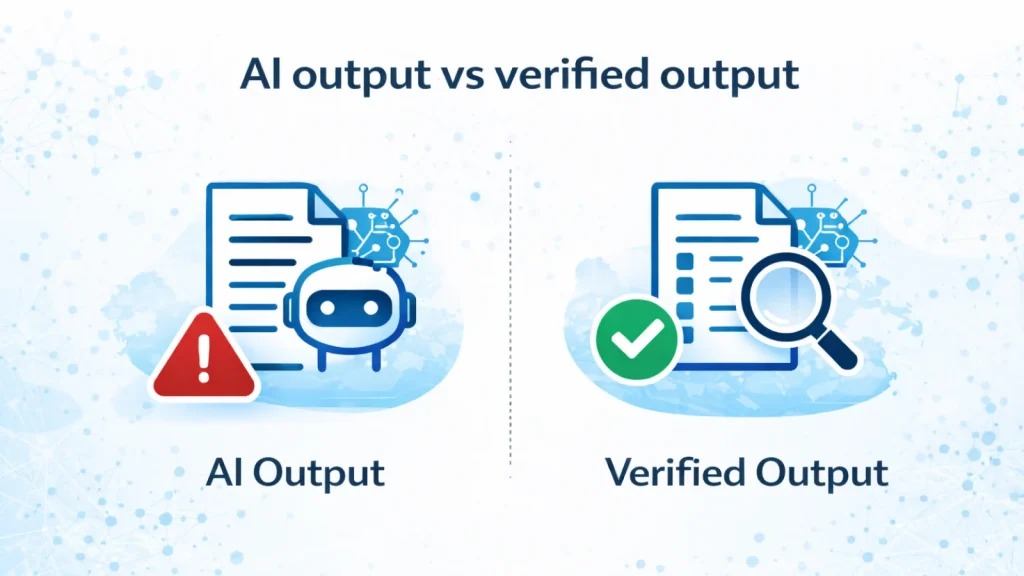
Accuracy is critical. The best AI tools for lawyers should provide reliable outputs, especially for research.
Test the tool using cases or documents you already know. Check whether the information is correct and properly interpreted.
If verification feels difficult, that’s a warning sign.
Step 4: Check Data Security
Legal work involves confidential information. Any tool you use must protect that data.
Review how the platform stores and processes information. Check if your data is retained or used for training.
The best AI tools for lawyers are transparent about these details. If something feels unclear, it’s worth questioning.
Step 5: Review Compliance Requirements
Regulations around AI in law are evolving. Some jurisdictions guide how these tools should be used.
The best AI tools for lawyers should align with these expectations. In some cases, disclosure may be required when AI contributes to legal work.
Checking this early helps avoid issues later.
Step 6: Consider Integration and Adoption
A tool only works if people actually use it.
The best AI tools for lawyers fit naturally into existing workflows. They should integrate with your current systems and be easy to learn.
Start with a small test. Once it proves useful, you can expand usage across your practice.
LawyerBuddy – AI Built Specifically for Legal Professionals

Many general tools can assist with basic tasks. Legal work, however, requires more precision.
LawyerBuddy is designed with this in mind. It focuses on the needs of legal professionals rather than adapting a generic system.
It supports research with a focus on citation reliability. It helps with reviewing contracts, identifying gaps and inconsistencies. It also turns repetitive documents into automated templates.
Client intake becomes more structured with its workflows. This reduces the administrative burden early in the process.
Another advantage is integration. Instead of juggling multiple tools, you can manage key workflows in one place.
For solo practitioners, accessibility matters. LawyerBuddy offers options that make advanced features more approachable without requiring enterprise-level budgets.
Common Mistakes Lawyers Make When Adopting AI Tools
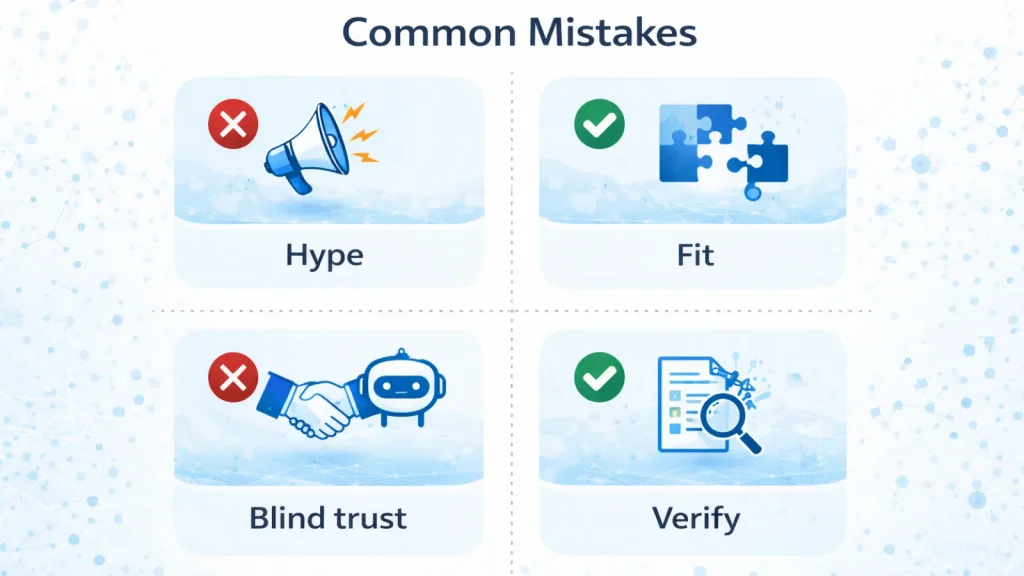
Adopting the best AI tools for lawyers requires more than just signing up. Missteps are common, especially early on.
Choosing Based on Hype
Popular tools attract attention, but they may not fit your needs.
Many lawyers end up using only a fraction of what they pay for. A better approach is to start with a clear problem and choose accordingly.
Skipping Verification
AI output can look polished, but that doesn’t guarantee accuracy.
The best AI tools for lawyers still require review. Treat outputs as drafts, not final work.
Ignoring Compliance
Some lawyers overlook regulatory guidance. That can create unnecessary risk.
Understanding local rules ensures your use of AI stays within professional boundaries.
Overlooking Adoption
Even a powerful tool fails if it isn’t used consistently.
Training and onboarding matter. Without them, the tool becomes just another unused subscription.
The Future of AI in Legal Practice

The best AI tools for lawyers are evolving quickly. Right now, most focus on assisting with individual tasks.
The next step is more integrated systems. These tools will handle complete workflows, from intake to drafting to summarizing results.
This shift changes how firms operate. Early adopters can refine their processes and gain efficiency over time. Others may need to catch up later.
There’s also a shift in pricing models. As tasks become faster, value moves toward outcomes rather than time spent.
AI is no longer a future concept in law. It’s already becoming part of daily practice.
Conclusion
Choosing the best AI tools for lawyers comes down to making thoughtful decisions. Start with your actual workflow challenges and focus on solving those first.
Test tools carefully. Verify their outputs. Make sure they align with your professional responsibilities.
The goal isn’t to use the most advanced technology. It’s to build a system that helps you work more efficiently.
Tools like LawyerBuddy support that shift by combining research, drafting, and automation in one place. Still, the real advantage comes from how you use these tools in practice.
When chosen carefully, the best AI tools for lawyers don’t just save time. They improve the way you work.
Frequently Asked Questions
Are AI tools safe for confidential legal work?
Some are, but not all. Always review how data is stored and used before sharing client information.
Can AI replace lawyers?
No. It supports tasks like research and drafting, but legal judgment still requires a human professional.
What are the best free AI tools for lawyers?
General tools can help with basic tasks. Some legal platforms offer limited free versions, but advanced features usually require payment.
How do I check accuracy?
Test the tool with known cases or documents. Verify outputs manually until you trust their reliability.
Do clients need disclosure?
It depends on your jurisdiction. Some guidelines recommend or require it. Always check local rules.Is AI only useful for large firms?
Not at all. Smaller practices often benefit the most because they have fewer resources to begin with.