


The fastest way to turn online leads into paid work in 2026 is simple: insist on verified advocates, pre-funded escrow, and clear briefs before you spend a minute. If you plan to try lawyer bidding on case mandates, set those guardrails first and you will protect your time and fees.
You sell judgment, not hours. Yet inboxes fill with half-baked requests, calls run long, and payments stall. Meanwhile, 1.7M+ enrolled advocates compete for the same clients and matters. In 2026, the right marketplace can help, but only if it aligns with how your practice runs and with Bar Council ethics. This guide spells out what matters, how to check for it, and where a structured model makes the difference.
- Risk-free signup: Free to register with no subscription fee.
- Security: Secured escrow with post-cooldown release and a private 1-on-1 workspace for all case communication.
- Authority: 100% Bar Council–verified advocate panel; only State Bar Council–enrolled advocates can bid.

Why Advocates Struggle to Find Quality Case Mandates in 2026
Fee security is shaky in the traditional model. You advise, draft, or appear, and then chase a tranche that never lands. On mandates found through friends or directories, you invoice and wait. As a result, cash flow dips, and your calendar is at risk. In that setting, lawyer bidding on case mandates can feel like a fix, but the wrong platform only repeats the same issues online.
Referrals still run the market. They reward the well-known, not the most fit for a brief. If your first-generation practice sits outside metro chambers, your phone may not ring when it should. With 1.7M+ advocates seeking work, a junior or a counsel in a Tier-2 court starts with less visibility and fewer inbound clients. That’s a real gap, not a skills gap.
Unstructured intake wastes hours. Prospects say “property dispute” or “need anticipatory bail” with no FIR copy, no court, no budget, and no documents. You spend 20–40 minutes to extract basics and still cannot price with confidence. Then, the client vanishes. Multiply that by ten, and you have a week gone.
Ethics loom large. Cold outreach, ads that feel like touting, or chasing leads in DMs push against the line. You want work without crossing it. You also want to avoid public “race to the bottom” pricing that devalues specialized work. Clear ground rules matter.
- Dependence on personal networks means feast-or-famine pipelines, especially outside metros.
- Post-service invoicing leads to non-payment or delayed payment.
- Intake over call or WhatsApp hides key data: jurisdiction, cause title, deadlines, budgets.
- Junior and Tier-2/Tier-3 advocates lack the stage to show real skill.
- Ethical constraints mean you must respond to needs, not solicit in a way that looks like touting.
Therefore, the challenge is not just “more leads.” It’s structured access to paid, relevant, and ethically sourced mandates. Any online model must solve for trust, payment, clarity, and reach in one place. Otherwise, it only moves your pain from chambers to a screen.
What to Look for in a Lawyer Bidding Marketplace
You already know that “more inquiries” is not the goal. The goal is clean, paid mandates you can accept or decline in minutes. Use this checklist to judge any marketplace before you spend time there. Keep it handy, even if you work across more than one site.
- Bar Council verification: Check if only enrolled advocates can join, and how the site verifies State Bar Council enrollment.
- Escrow or payment guarantee: Confirm client funds are deposited before a mandate goes live.
- Case structuring quality: Look for clear fields for jurisdiction, issue type, budget, and document uploads.
- Privacy and secure communication: Demand a built-in, private workspace over informal chats and scattered emails.
- Pan-India mandate feed: Ensure reach beyond metros so you can work matters across states if allowed.
- Pricing model clarity: Prefer free registration and transparent fees over surprise subscriptions.
- Multi-language support: Seek Hindi, Tamil, Telugu, and more for real client comprehension and court contexts.
Why these criteria are non-negotiable
Verification saves you from anonymous “experts” undercutting fees without right of audience. Escrow ends fee-chasing and gives clients comfort that funds do not vanish. Structured intake turns a 30-minute screening call into a 3-minute review, with the right annexures attached.
Moreover, a secure workspace keeps attorney–client data out of leaky channels and preserves privilege. In addition, a pan-India feed levels the field for you if your city’s inbound is slow this month. Finally, multi-language support cuts misreads in instructions, and clear pricing removes anxiety as you test a new channel.
For a deeper view on geographic access and equity for small-town practices, see this related piece: Best Lawyer Bidding Marketplace for Rural India in 2026.
Also Read!
LawyerBuddy vs LegalKart for Advocates: Which Is the Better Lawyer Bidding Marketplace?
How to Choose a Secure Lawyer-Client Portal as a Bar Council Advocate
How LawyerBuddy Solves These Problems for Advocates
A marketplace should match how a real chamber runs. LawyerBuddy keeps the gate tight, the money safe, and the brief clear before you act. That way, lawyer bidding on case mandates supports your practice rather than stretching it.
- First, the advocate panel is 100% Bar Council verified. Only State Bar Council–enrolled advocates can register and bid. This removes noise from unverified users and protects citizens from bad picks. It also ensures that when you win a mandate, you compete with peers who share the same ethical and regulatory base.
- Second, payments sit in a secured escrow system. Citizens deposit funds before their mandate appears in the feed. You only see live, funded matters. After work finishes and the regulatory cooldown ends, the payment clears to your wallet. You then withdraw to your bank with a transparent ledger of every credit, debit, and commission line.
- Third, every brief is AI-structured. The mandate comes tagged with jurisdiction, issue, budget, and uploaded documents. You skip intake chaos and move straight to assessment and pricing. That saves hours each week and reduces back-and-forth that muddles facts.
- Fourth, you work in a secure 1-on-1 workspace. All chat, documents, and updates live in one private channel. You avoid splintered threads across WhatsApp and email. You also preserve a clear audit trail, which helps if scope expands or if timelines shift.
- Fifth, a 24/7 live mandate feed runs across India. If your court calendar lightens in one city, you can source work nationwide within your fields. That reach matters for counsel in Tier-2/Tier-3 cities who want steady flow and for seniors who accept pan-India consults.
- Sixth, registration is free with no subscription fee. You can set up, verify, and try a few bids without upfront cost. You invest time, not a monthly retainer you cannot justify.
- Seventh, the platform supports multiple languages, including Hindi, Tamil, and Telugu. This helps intake and reduces misreads on local records or client statements. The broader LawyerBuddy ecosystem also includes AI-powered legal and tax help for India, which improves the quality of posted mandates over time.
Feature walkthrough by mandate lifecycle
- Intake: Client uploads facts and documents; AI structures the brief.
- Funding: Escrow is loaded; mandate goes live only once funded.
- Bidding: You review a clear card and submit a targeted proposal.
- Execution: You work inside a secure 1:1 workspace with tracked threads.
- Payment: After regulatory cooldown, funds release to your wallet, line by line.
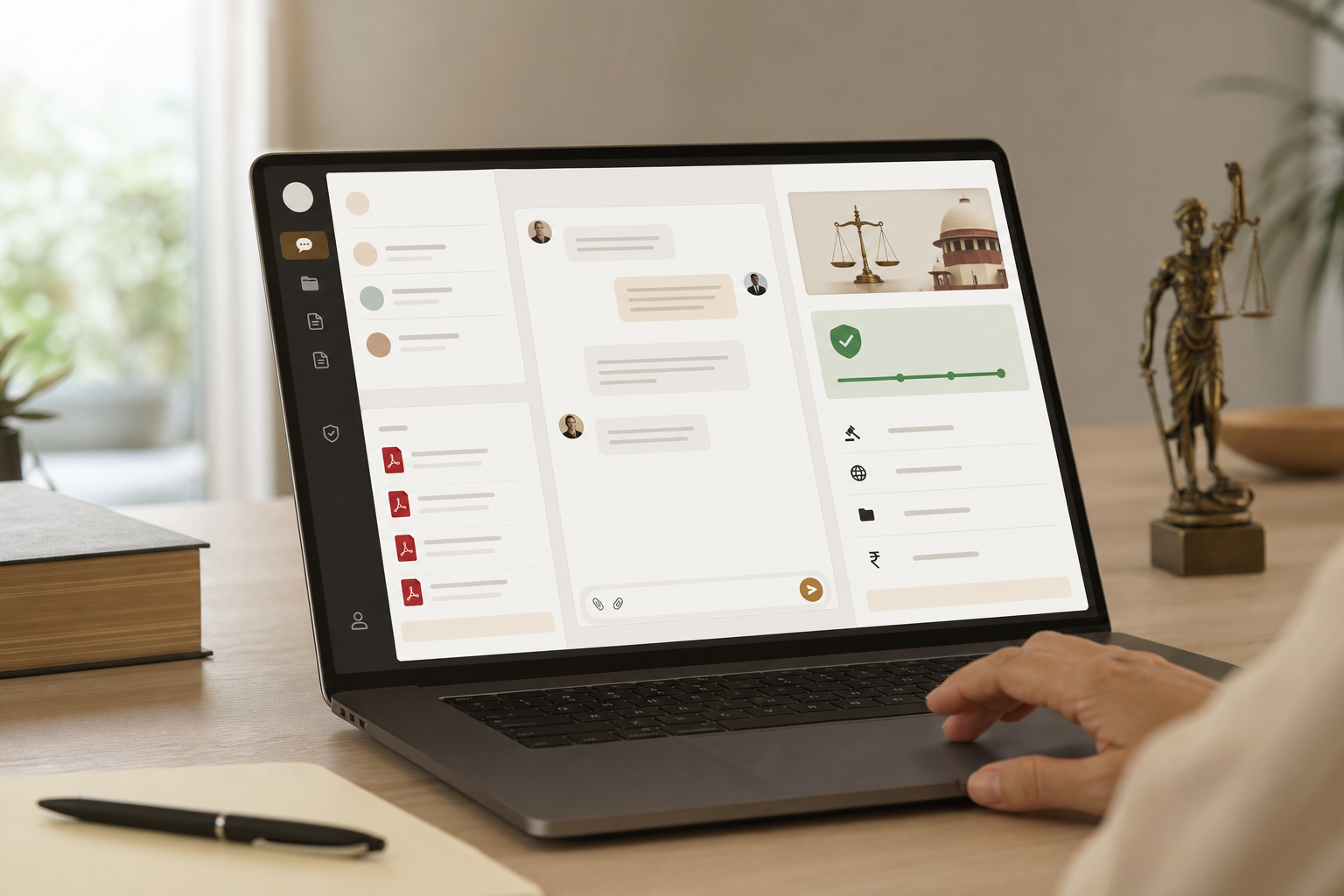
Therefore, compared to alternatives that live on listings and post-service invoicing, the platform’s escrow and structure address the two core risks: wasted time and unpaid work. Unlike generic directories, you get verified peers, funded matters, and a private channel by default.
**Get instant, escrow-funded briefs →
Authority: 100% Bar Council–verified advocate panel. Security: Escrow-funded mandates and a private 1-on-1 workspace.
LawyerBuddy vs. Traditional Referral Networks and Generic Legal Directories
Referral networks still deliver trust. A senior’s word, a past client’s nudge, or a chamber peer’s intro can fit a brief before you speak. No platform can replicate personal bonds built over years, and it would be wrong to claim that it can. However, referrals do not guarantee payment or clear intake, and they confine you to local reach.
Generic legal directories list names. They can help with discovery, but they do not hold money in escrow, and they rarely structure briefs. You may still field long calls and face non-payment risk. In that sense, they are address books, not mandate systems.
LawyerBuddy combines verification, escrow, and AI-structured briefs with a secure workspace. It does not ask you to give up referrals. It offers a second pipeline that is steady, paid, and pan-India. That balance is the point in 2026: keep your network, add a consistent feed that respects fees and time.
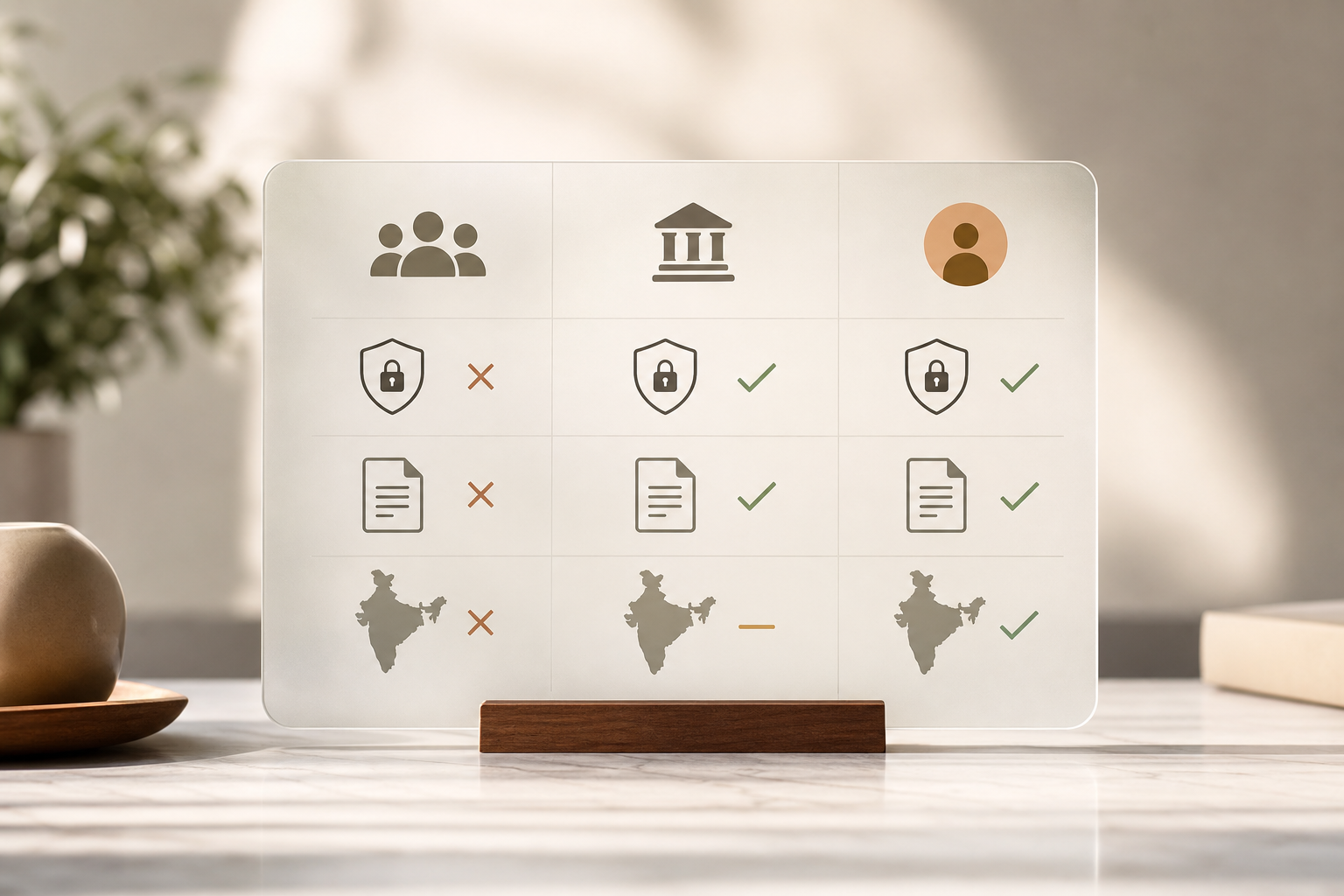
| Criterion | Referral/Chamber Networks | Generic Legal Directories | LawyerBuddy |
|---|---|---|---|
| Payment security | Post-service invoicing; trust-based | None; client pays you directly | Secured escrow; release after regulatory cooldown |
| Case quality | Unstructured calls; info gaps | Unstructured inquiries | AI-structured with jurisdiction, issue, budget, documents |
| Geographic reach | Local and known circles | Usually local search | 24/7 pan-India mandate feed |
| Cost to advocate | No platform fee, but time cost | Listing fees or ads | Free to register; no subscription fee |
| Verification rigor | Personal knowledge | Self-declared profiles | 100% Bar Council verified panel |
| Workspace tools | External chat/email | External chat/email | Secure 1-on-1 workspace |
On the other hand, referral cases may carry richer context and long-term client value. Keep them. Use a funded mandate feed to fill gaps in your calendar and reduce your debtor’s list. For context on access beyond metros, see the linked guide on smaller-city practice dynamics: Best Lawyer Bidding Marketplace for Rural India in 2026.
Also Read!
Best Secure Lawyer-Client Portal for Advocates in 2026
How to Use AI for Legal Document Review as an NRI with Property or Cases in India
Trust, Credentials, and Platform Security
Trust starts at the gate. A 100% Bar Council verified panel means every advocate is matched to enrollment data before they can bid. That raises the floor on quality and gives citizens a real choice among actual practitioners, not anonymous profiles.
Payment is locked in. With a secured escrow payment system and a defined regulatory cooldown, funds stay held until the matter or stage is complete. Then, after the cooldown, your wallet receives the release, and you can withdraw with a clear ledger trail. This protects you from fee-chasing and protects the client from early withdrawal if a dispute arises.
Clarity cuts disputes. AI-structured case mandates reduce misreads by laying out jurisdiction, issue, budget, and documents in one view. You quote from facts, not guesses. In addition, a secure 1-on-1 workspace keeps case material off third-party chat apps, which reduces leaks and preserves privilege.
As for ethics, clients post mandates and advocates respond inside the platform. You are not cold-soliciting; you are applying to a published need. This aligns with the spirit of restrictions on touting under the Bar Council of India framework (see Bar Council of India. Wikipedia for background). Still, you should read your State Bar Council rules and apply your own judgment.
How to Get Started as an Advocate on LawyerBuddy
You can test the waters in one sitting. There is no subscription, so you can learn the flow before you commit your week to it. The basic setup takes minutes, and you will see funded briefs as soon as your profile is verified.
- Register for free, no subscription or upfront fee. 2) Complete Bar Council verification, submit your enrollment number for checks. 3) Set your practice areas and preferred jurisdictions to tune the feed. 4) Browse the 24/7 live feed.
AI-structured cards show court, issue, budget, and files. 5) Bid on matches, cite relevant experience, outline your approach, and price with clear stages. 6) Work in the secure 1-on-1 workspace for all chats and documents. 7) Receive payment in your wallet after escrow release post-cooldown.
Pro tip: Keep bids short but specific. Name the statute or stage you will handle, state a timeline, and set a fair price band tied to scope. This helps clients choose on merit, not just on price.

Frequently Asked Questions

Pricing and payments
Q: Is LawyerBuddy free for advocates to use? A: Yes. LawyerBuddy is free to register with no subscription fees.
You can browse the mandate feed, place bids, and use the secure workspace without upfront cost. The pricing model is confirmed in platform materials as free to register with no subscription fee. You only focus on winning and delivering funded work.
Q: How does the escrow payment system work on LawyerBuddy? A: Citizens deposit funds into escrow before their mandate goes live. You only see funded matters, so your time goes to work that will pay. After you complete the agreed scope and a regulatory cooldown passes, the platform releases payment to your wallet. This setup removes the need to chase fees.
Access and verification
Q: Do I need to be enrolled with a State Bar Council to join? A: Yes. LawyerBuddy maintains a 100% Bar Council verified panel. Only advocates enrolled with any State Bar Council in India can register and bid on mandates. This protects you from unfair, unqualified competition and protects clients from unverified profiles.
Q: Can advocates from smaller cities or Tier-2/Tier-3 towns get cases? A: Yes. The platform runs a 24/7 live mandate feed across India. You can access funded briefs beyond your city and build a steady pipeline tied to your practice areas. This levels the field compared to referral-only models that stay local.
Case structure, security, and ethics
Q: How are case mandates structured on the platform? A: Each mandate is AI-structured with jurisdiction, legal issue, budget, and documents organized before you see it. You avoid long screening calls and quote faster with fewer surprises. This clarity improves selection quality for both sides.
Q: Is communication with clients secure on LawyerBuddy? A: All case-related exchanges take place in a secure 1-on-1 workspace on the platform. Unlike WhatsApp or email, everything stays in one private channel tied to the mandate. This keeps data safer and helps maintain attorney–client privilege.
Q: Does bidding on cases through LawyerBuddy violate Bar Council touting rules? A: The platform is built so clients post mandates and advocates respond. You are not soliciting; you are applying to a stated need in a controlled space. This aligns with the spirit of anti-touting rules, but you should still review your State Bar Council’s guidance.
Closing Takeaways for Advocates in 2026
- Paid first, work second. Escrow and a cooldown protect both sides and end fee-chasing.
- Clarity wins time. Structured briefs with documents let you price well and deliver faster.
- Reach matters. A pan-India, verified feed can smooth your pipeline beyond local referrals.
You can keep your chamber network and still add a funded, structured stream of briefs that respects your time and ethics. If that balance fits your practice, run a small trial this week and judge the results by your own ledger, not by promises.
**Start free, funded briefs today →
For more on equity and access beyond metros, you may also find this helpful: Best Lawyer Bidding Marketplace for Rural India in 2026.