
Most NDA disputes don’t fail on fine print. They fail because the basics weren’t set with care. To do this right, define what’s secret in plain words, set a fair time limit, pick the law and courts, include a return-and-destroy rule, and add real remedies before you sign. This guide uses an nda agreement template draft as your base, then shows you how to tailor it for 2026 deals without legalese.
You’ll see where NDAs fit (and where they don’t), exact clause examples you can copy, and the traps that make a deal hard to enforce. You’ll also get simple next steps for signing, storing, and tracking your agreement, plus notes for cross-border work. Along the way, I’ll point to trusted sources and low-cost tools you can use today.

What Is an NDA and When Do You Actually Need One?
A Non-Disclosure Agreement is a short contract that says: “We will share private info for a purpose, and you won’t share it beyond that purpose.” It protects code, designs, roadmaps, client lists, pricing, and other know‑how you don’t want made public. For a simple primer, see the Non-disclosure agreement overview on Wikipedia.
You need one in three common moments. First, a business partnership chat, like two startups exploring a joint launch. Second, hiring staff or contractors who will see your code or strategy. Third, investor talks where you plan to share detailed metrics, decks, or tech under the hood. In each case, the NDA frames what’s secret, who can view it, and for how long.
Unilateral vs. Mutual NDAs
- Unilateral: Only one side shares confidential info. Example: You pitch your product to a marketing agency. They promise not to disclose your roadmap.
- Mutual: Both sides share secret info. Example: You and a supplier swap costs, margins, and process docs to scope a build.
Moreover, a mutual NDA reduces friction when both sides need to speak freely. However, if you alone are disclosing, a simple one‑way NDA keeps the scope tight. In both forms, the core parts stay the same: define the information, set fair exclusions, fix the term, set the law and courts, and add remedies.
For your nda agreement template draft, start from a mutual version if in doubt. Then remove the other party’s disclosure rights if you realize it’s actually one‑way. This will save you time and reduce edits.
Step-by-Step: How to Customize an NDA Template for Your Situation
Your template is a shell. Now fill it with facts and clear guardrails. Use these steps and sample language as a guide.
-
Identify the parties
Write full legal names and addresses. Add company number if you have one.
Sample: “This Non‑Disclosure Agreement (the ‘Agreement’) is entered into as of [Date] by and between [Discloser Legal Name], of [Address], and [Recipient Legal Name], of [Address]. -
Define “Confidential Information” specifically
Name the types of material and formats. Tie it to the purpose.
Sample: “Confidential Information means non‑public information disclosed by Discloser to Recipient, whether oral, written, or electronic, including product roadmaps, source code, client lists, pricing, financial data, marketing plans, and technical documentation, provided in connection with evaluating a potential [partnership/investment/hire] (the ‘Purpose’). -
Set clear exclusions
You don’t want to block fair use of public or independently developed info.
Sample: “Confidential Information does not include information that (a) is or becomes public through no fault of Recipient; (b) was known to Recipient before disclosure; (c) is independently developed without use of Discloser’s information; or (d) is rightfully received from a third party without duty of confidentiality. -
Choose duration (term and survival)
Most NDAs run 1–3 years for business talks. Trade secrets may need longer.
Sample: “This Agreement begins on the Effective Date and continues for two (2) years. Recipient’s duty to protect Confidential Information survives for three (3) years after termination. For trade secrets, obligations continue so long as such information remains a trade secret. -
Specify jurisdiction and governing law
Pick one legal home and venue, especially for cross‑border deals.
Sample: “This Agreement is governed by the laws of [State/Country], without regard to conflicts of law. The parties submit to the exclusive jurisdiction and venue of the courts located in [City, State/Country] for any dispute arising hereunder. -
Add a remedies clause
State that money may not fix a breach and you may seek an injunction.
Sample: “Recipient acknowledges that unauthorized use or disclosure may cause irreparable harm for which monetary damages are inadequate. Discloser may seek injunctive relief, in addition to any other remedies available at law or in equity. -
Include return/destruction terms
Say what happens to files at the end of talks or on request.
Sample: “Upon written request or termination of discussions, Recipient will promptly return or destroy all Confidential Information, including copies and notes. On request, Recipient will certify such destruction in writing.
Furthermore, adapt access rules to your team size. For example, add: “Recipient may share Confidential Information only with employees, agents, or advisors who need to know for the Purpose and who are bound by written confidentiality duties at least as protective as this Agreement.
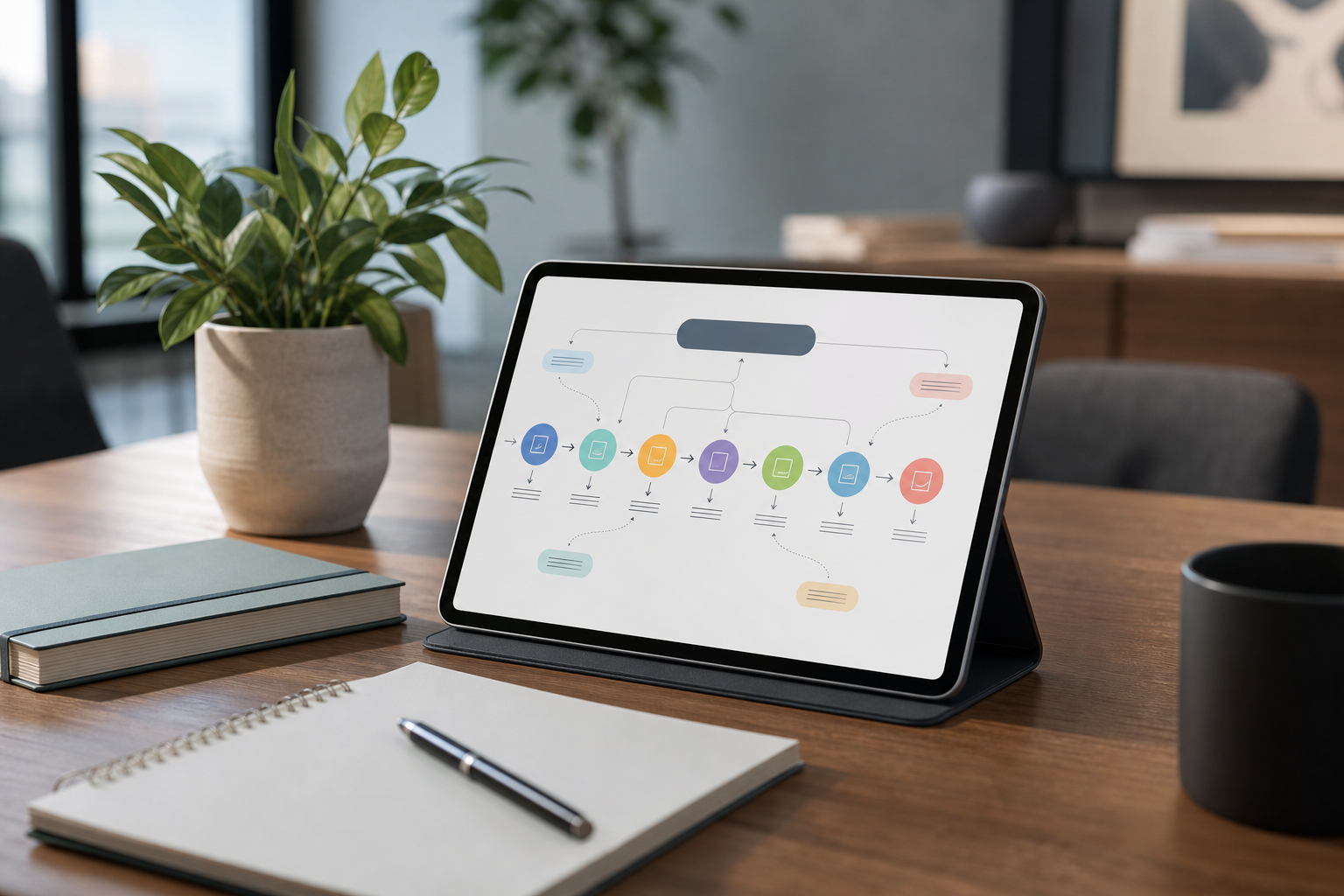
As you tailor your nda agreement template draft, keep it plain and short. Four pages or less is common for early talks. If you need to share personal data, add a privacy rider that mirrors the discloser’s compliance duties.
Also Read!
How to Find and Use a Lawyer Bidding Marketplace as a Bar Council Advocate
How to Use AI Legal Advice Tools in Hindi and Tamil as a Bar Council Advocate
5 Common NDA Mistakes That Make Your Agreement Unenforceable
First, vague definitions. If “Confidential Information” means “all information,” a judge may view it as overbroad. Be concrete: list code, docs, metrics, and designs. Add a clear tie to the stated purpose.
Second, unreasonable time periods. An NDA that lasts “forever” for non‑trade‑secret info can be struck or trimmed. Use one to three years for business talks. Reserve “as long as it is a trade secret” for true trade secrets.
Third, missing jurisdiction. If your NDA says nothing about law or venue, a cross‑border fight can become slow and costly. Pick one court. Name it in the contract. This single line saves months of wrangling.
Fourth, no carve‑outs for public or prior knowledge. Courts look for fair exclusions. If your employee already knew a public API method, that should not be “confidential.” Add standard exclusions to prevent a blanket gag.
Fifth, failing to control access. If your company lets a broad group see the files without need‑to‑know controls, opponents may argue you didn’t treat the data as secret. Limit access to a small group and keep a short list.
Practical rule: if a neutral reader can’t tell what is secret, for how long, and under whose law, your nda agreement template draft needs another round of edits.
Moreover, if you plan to process EU personal data during diligence, add a short data‑protection rider aligned with GDPR principles like integrity, confidentiality, and purpose limitation. You can review the legal text at GDPR (Regulation (EU) 2016/679).
Tools and Resources for Creating Your NDA
You can start from free models and adapt. Popular sources include LegalZoom, Rocket Lawyer, SCORE.org, and Docracy. While these offer different clause styles, your edits matter more than the brand of the template. Always adjust definitions, term, and governing law to match your deal.
For a second opinion on a first draft, tools like LawyerBuddy can help you spot vague terms or missing clauses. It offers AI‑powered legal and tax help for India, 5 free document reviews daily, and support in Hindi, Tamil, and Telugu. In addition, it’s free to register with no subscription fee, and it runs a secured escrow payment system for client‑lawyer work. Its 100% Bar Council verified panel signals authority and trust for those seeking counsel.
When should you hire a lawyer? If your deal involves high‑value IP, cross‑border data transfers, or a complex joint development, get counsel to tailor the NDA and any related IP assignment. If you’re sharing a pitch deck or scoping a small project, a tuned template with the steps above often suffices.
- Templates are a start; your facts make them fit.
- Use a review tool for gaps; hire counsel for edge cases.
Try AI NDA check, free today →
What to Do After You've Drafted Your NDA
First, have both sides sign. You can use e‑signature tools or a scanned PDF with typed names and dates. Include the signers’ titles to avoid doubt on authority. If you work with advisors, add a brief clause that lets each side share with their lawyers or accountants under the same duty.
Second, store the executed copy in a secure folder with access control. Name the file with parties and date (e.g., “Acme‑BrightApps_NDA_2026‑03‑15.pdf”). Then, log a short summary: parties, purpose, term end, and governing law. Keep a record of who has access.
Third, set calendar reminders. Add one for the mid‑point of the term and another 30 days before expiry. At the mid‑point, decide whether to extend talks or close the loop and trigger return or destruction. As a result, you won’t miss a key date while work is busy.
Fourth, know when to update. If the deal shifts, from a pitch to joint development, switch from an NDA to a fuller contract (with IP ownership, licenses, and milestones). Moreover, if you start exchanging personal data, add a short data‑protection addendum aligned with local law, such as the EU GDPR principles you reviewed above.
International notes: Pick one governing law and venue even for cross‑border work. Translate the key terms if your counterpart prefers another language, but keep one signed “official” version. For data that crosses borders, confirm if any transfer rules apply. Keep the nda agreement template draft consistent with these constraints.

Key Takeaways
- Define what’s secret in plain words, tie it to a purpose, and set a fair term; then add jurisdiction, remedies, and return/destroy rules.
- Use a mutual NDA when both sides share; switch to one‑way if only you disclose.
- Most failures trace to vague scope, missing venue, or “forever” terms—tighten those in your nda agreement template draft.
- Templates save time, but your facts, access limits, and storage habits make them work.
- Track signatures, access, and expiry dates; adjust fast if the deal shifts to build or hire.
What to Do This Week
Draft or revise your NDA using the seven steps above. Insert your purpose, pick one governing law, and cap the term at one to three years unless it’s true trade‑secret material. Then send for e‑signature, store the signed PDF with access control, and set two reminders: mid‑term and 30 days before expiry. If you want a quick gap check before you send it out, upload your draft for a free review.
Get a fast NDA review, no cost →
Moreover, if you expect more deals in 2026, save your tuned template as your house standard. That way, you can share with confidence on day one.