


For decades, law firms built their reputation on expertise, experience, and meticulous attention to detail. Those qualities still matter. Yet the way legal work gets done is changing rapidly, and legal technology is becoming a major reason some firms operate more efficiently than others.
The growing interest isn’t about chasing trends. Lawyers are facing increasing workloads, tighter client expectations, and more administrative responsibilities than ever before. When routine tasks consume valuable hours, the quality of legal work can suffer.
The firms gaining an advantage today are not replacing lawyers with software. They’re using legal technology to reduce friction, eliminate repetitive work, and create more time for the strategic thinking clients actually pay for.
Read Aloud!
The Short Answer: What Legal Technology Actually Does for Law Firms
Legal technology refers to software and digital tools designed to help legal professionals manage, deliver, and improve legal services.
Key benefits include:
- Faster legal research
- Reduced administrative workload
- Better document management
- Improved billing accuracy
- Stronger client communication
- Lower risk of human error
- Greater scalability for growing firms
When used effectively, legal technology helps lawyers spend less time on manual processes and more time practicing law.
The Real Problems Legal Tech Is Solving (Not the Ones Brochures Talk About)
Most lawyers don’t wake up thinking about software. They think about deadlines, client demands, court filings, and overflowing inboxes.
A large portion of the workday often disappears into tasks that generate little value. Reviewing similar documents repeatedly, tracking billable hours manually, searching for scattered files, and responding to status requests can consume more time than expected.
This is where modern legal tools create meaningful change. Instead of promising vague innovation, they address practical frustrations that slow legal professionals down every day.
When Admin Work Starts Outpacing Actual Legal Work
Many attorneys spend significant time on non-billable activities. Administrative work can quietly expand until it competes with actual legal analysis.
As firms grow, these inefficiencies become harder to ignore. Investing in better legal software is often less about convenience and more about protecting valuable professional time.
The Core Benefits of Legal Technology, Broken Down Honestly
1. Dramatically Faster Legal Research
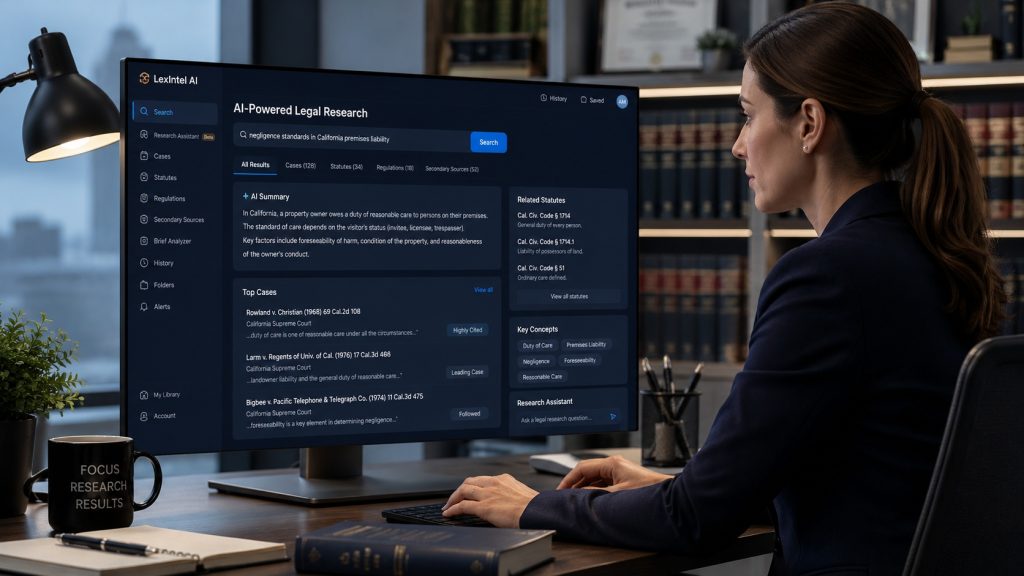
Research is essential, but it can also become a major time drain.
Modern AI legal technology tools help lawyers locate relevant cases, statutes, and precedents far faster than traditional methods. Instead of spending hours sorting through sources, attorneys can focus on interpreting and applying the law.
Beyond speed, many research platforms now surface jurisdiction-specific information and related authorities automatically. That means less time searching and more time building stronger legal arguments.
2. Fewer Errors, Lower Malpractice Risk
Legal work leaves little room for mistakes.
Automated deadline tracking, document review assistance, and conflict checks help reduce common errors. While technology cannot replace professional judgment, these systems can provide safeguards that improve consistency.
Even small mistakes can have serious consequences in legal matters. Reliable automation helps reduce risk without changing how lawyers exercise judgment.
3. Billing That’s Actually Accurate
Clients increasingly expect transparency.
Time-tracking tools and automated invoicing help ensure that billable work is recorded accurately. Better records create trust and reduce billing disputes. This is one of the most practical benefits of modern legal software for firms of every size.
Lawyers also spend less time reconstructing their day from memory. That alone can save hours each month while improving revenue capture.
4. Centralized Case Management
Every lawyer knows the frustration of searching for a document buried in emails or shared folders.
Modern platforms bring files, communications, deadlines, and notes into one place. With centralized legal software, important information becomes easier to access and harder to lose.
Instead of switching between disconnected systems, teams can work from a single source of truth. That improves collaboration and reduces confusion.
5. Better Client Communication

Clients rarely enjoy waiting for updates.
Many legal technology solutions include client portals, automated notifications, and secure messaging features. Clients stay informed without creating additional administrative work for legal teams.
The result is often a better client experience. Lawyers receive fewer status inquiries, while clients feel more confident about the progress of their matter.
6. Scalability Without Constant Hiring
Growth often creates operational challenges.
By automating routine processes, technology allows firms to handle more matters without increasing headcount at the same rate. This can be particularly valuable for solo practitioners and smaller firms.
Rather than hiring immediately to manage rising workloads, firms can often improve efficiency first and make growth decisions more strategically.
7. Stronger Competitive Positioning
Clients increasingly compare service experiences across industries.
A firm that communicates quickly, shares updates efficiently, and delivers work faster often stands out. In many cases, legal tech has become part of the client experience itself.
Potential clients may never ask what software a firm uses. They do notice responsiveness, transparency, and speed. Those outcomes can become meaningful competitive advantages.
Where Legal Tech Makes the Biggest Difference
Different practice areas benefit in different ways.
Corporate Law: Contract management platforms, due diligence tools, and document automation reduce repetitive work. Teams can review larger volumes of information without sacrificing quality.
Litigation: E-discovery platforms and case organization tools help attorneys manage large amounts of evidence and documentation. Building timelines and tracking case developments becomes significantly easier.
Family Law: Automated intake processes and document generation simplify onboarding. Lawyers spend less time gathering routine information and more time advising clients.
Intellectual Property: Prior art searches, filing management tools, and deadline tracking systems help practitioners stay organized in a highly detail-oriented field.
Across practice areas, the goal remains the same: reduce manual work and improve visibility into ongoing matters.
How to Start Adopting Legal Technology Without Disrupting Your Practice
Start With the Most Frustrating Task
Many firms make the mistake of trying to modernize everything at once.
A better approach is to identify the process that wastes the most time each week. It might be billing, document drafting, client intake, or case management. Implementing legal technology in one area often produces measurable improvements quickly.
Small wins build confidence. They also make future adoption much easier.
Read More!
Powerful Legal AI Tools for Research, Drafting, and Legal Insights
Why Every Firm Needs an AI Legal Assistant Today
Understand the Difference Between Tools and Platforms
A standalone tool may solve a specific problem.
Integrated legal technology solutions connect multiple workflows within a single environment. Instead of managing several disconnected systems, firms can centralize operations and reduce unnecessary complexity.
Before investing, consider how a new platform will fit into existing processes. The most impressive feature list means little if the software creates additional friction.
Questions to Ask Before Choosing a Platform
Evaluate every provider carefully:
- Is client data protected?
- Does the platform integrate with existing systems?
- How difficult is onboarding?
- What training resources are available?
- What level of legal technology support is provided?
The answers often matter more than marketing claims.
Mistakes Law Firms Make When Adopting Technology
Some firms expect immediate transformation after implementation.
Others purchase multiple tools at once and overwhelm their teams. A few focus exclusively on price while ignoring whether the software actually fits their workflow.
Successful adoption requires realistic expectations. New systems create value when they become part of daily operations rather than occasional experiments.
Training is equally important. Even excellent software produces limited results if employees never learn how to use it properly.
Another common mistake is treating technology decisions as an IT issue alone. The lawyers, paralegals, and staff who use these systems every day should have input during the selection process.
How LawyerBuddy Brings These Benefits Together
Many firms struggle because their systems operate in isolation.
LawyerBuddy is designed specifically for legal professionals who want research, drafting, organization, and communication tools within a single environment.
Its capabilities align closely with the benefits discussed throughout this article. Lawyers can conduct research, manage matters, review documents, and communicate with clients without constantly switching between multiple applications.
Key capabilities include:
- AI-powered legal research to find relevant cases, statutes, and authorities faster
- Document drafting assistance to reduce repetitive writing tasks
- Document review support for improved accuracy and consistency
- Matter and task management to keep cases organized
- Centralized document storage and retrieval
- Client communication tools that help keep clients informed
- Workflow management to reduce administrative overhead
- Secure handling of legal information and client data
Rather than functioning as another disconnected tool, LawyerBuddy aims to be a complete platform built around legal workflows.
That integrated approach can help firms improve efficiency while maintaining the quality and professionalism clients expect.
The result is a more streamlined experience for lawyers and a better experience for clients.
Legal Technology Is Becoming the New Standard

The conversation has moved beyond efficiency alone.
New generations of lawyers expect modern tools. Clients increasingly expect digital convenience. Courts and regulators continue adopting technology-driven processes.
As a result, legal technology is becoming less of a competitive advantage and more of a professional expectation.
That doesn’t mean software replaces expertise. It means expertise can be applied more effectively when lawyers spend less time on routine administrative work.
Even the role of the modern legal technology lawyer is evolving. Technology is no longer confined to back-office operations. It increasingly shapes how legal services are delivered and experienced.
The next phase of innovation will likely focus on deeper intelligence rather than simple automation. Research tools are already becoming more sophisticated, and predictive capabilities continue to improve.
The firms that adapt thoughtfully will be better positioned to meet changing client expectations without sacrificing professional standards.
The Bottom Line: Legal Technology Works When You Do
Law has always been rooted in tradition. At the same time, the profession has consistently adopted tools that help lawyers serve clients more effectively.
That’s the real value of legal technology. It doesn’t replace legal judgment. Instead, it protects the time, attention, and mental energy required to exercise that judgment well.
The best lawyers have always embraced tools that improve their ability to serve clients. Today’s digital platforms are simply the latest evolution of that principle.
If you’ve been considering ways to improve efficiency, reduce administrative burden, or create a better client experience, starting small is still a meaningful first step. The firms seeing the greatest benefits today are often the ones that simply decided to begin.
Frequently Asked Questions
What is legal technology?
It includes software and digital tools that help lawyers manage legal work, automate tasks, improve research, and streamline operations.
How does it help small law firms?
It allows smaller firms to increase efficiency, improve client service, and manage larger workloads without proportional staffing increases.
Is AI reliable?
Modern ai legal technology tools can significantly improve speed and efficiency, but lawyer review and professional judgment remain essential.
What are the risks of adopting technology too quickly?
Common risks include poor implementation, inadequate training, and purchasing tools that do not align with actual workflows.
Can technology replace lawyers?
No. Technology assists with research, organization, and administration, but legal strategy, advocacy, and judgment still require human expertise.
How do I know a platform is secure?
Review its security standards, compliance measures, encryption practices, and available legal technology support resources before adopting it.