

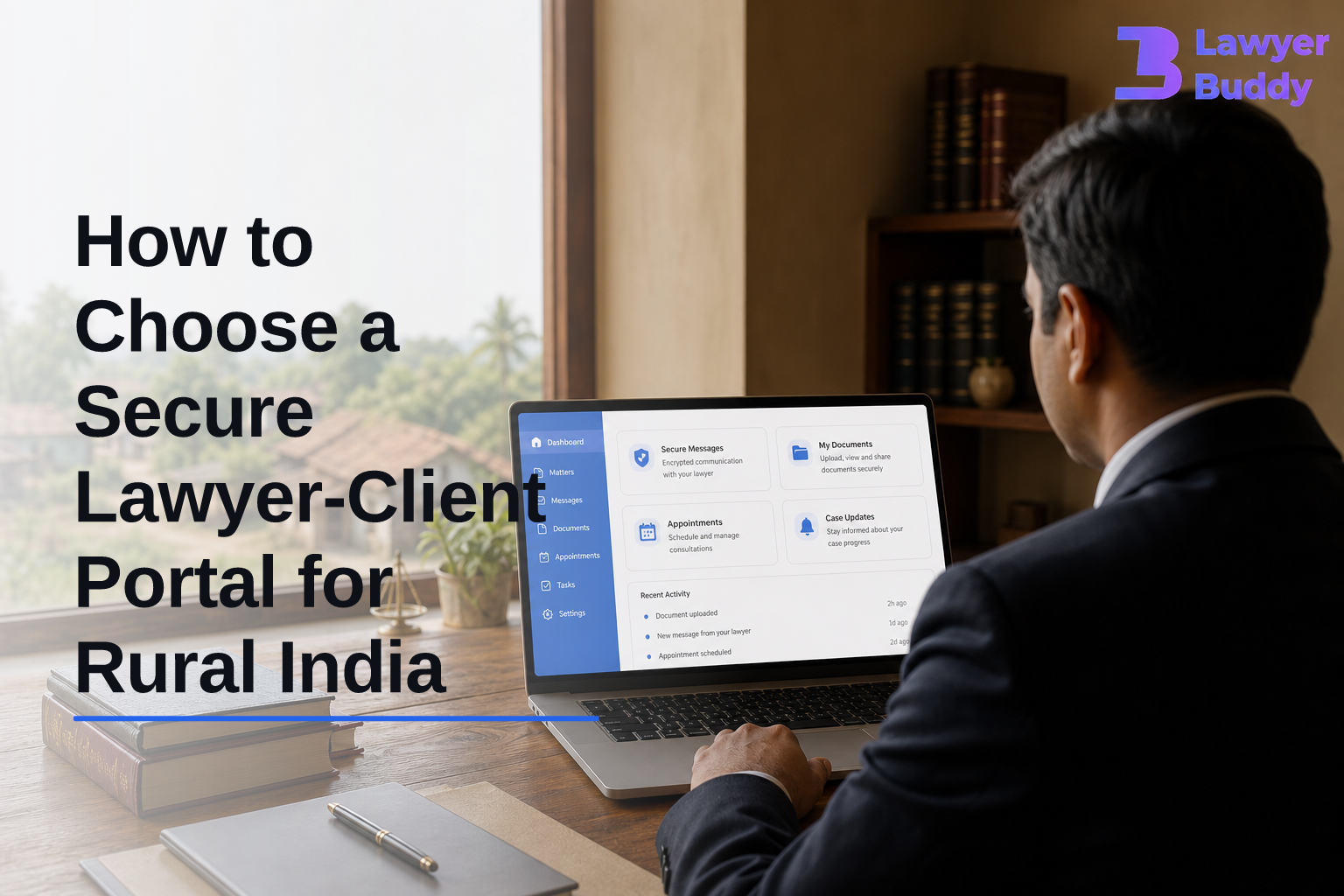
Last week, a farmer from Sehore sent land records to an advocate as photos taken on a shared phone. A secure lawyer-client case workspace could have protected those papers and kept all updates in one place. You should choose a portal that works on patchy networks, supports regional languages, verifies advocates against Bar Council rolls, encrypts documents, and uses escrow for payments. That is the core answer, and it matters more in 2026 because more case updates, fee payments, and filings now move online even outside metros.
For rural India, the goal is simple: make each step, from first call to final order, safer, clearer, and cheaper to repeat. However, a generic portal built for a big-city firm can break under real village constraints like 2G speeds, frequent power cuts, and shared devices. In addition, clients may need Hindi, Tamil, or Telugu screens, not just English. Therefore, your pick should balance law-grade security with small-footprint design and straight billing.
Moreover, look for proof, not promises. For example, you can confirm case status on the National Judicial Data Grid, which lists pendency by court and district, and track hearings on the e-Courts Services portal. You can also check whether the platform states how it verifies the advocate’s Bar Council enrollment and how it complies with the Information Technology Act, 2000 (notably Section 43A on reasonable security practices).
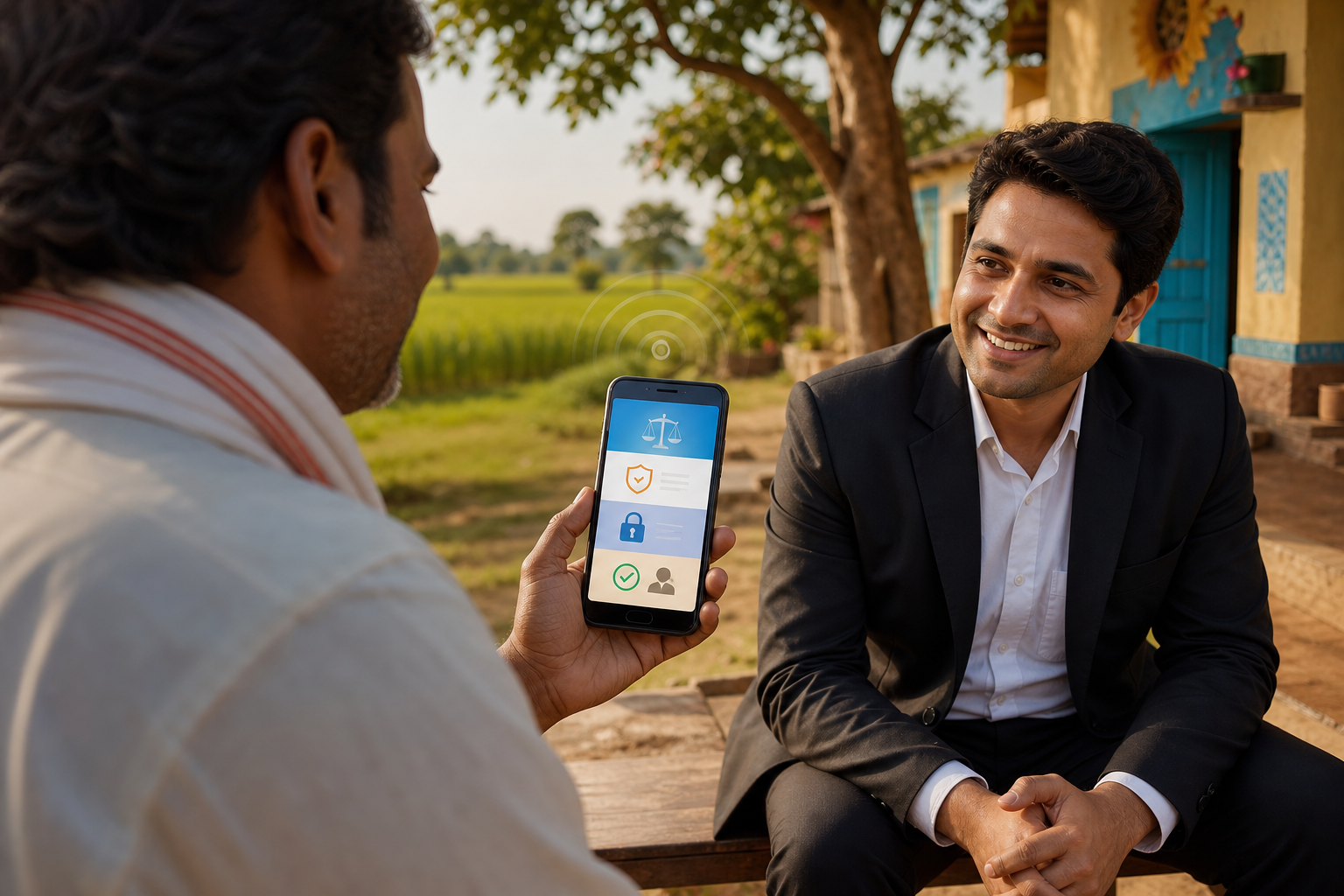
Why Rural India Needs a Secure Lawyer-Client Case Workspace
Rural India faces real barriers: erratic internet, phone sharing in families, and long trips to the taluka or district court. Yet legal needs do not wait. A farmer in Madhya Pradesh may need quick advice on a land demarcation dispute.
Everyday rural case scenarios
A woman in rural Tamil Nadu may need a maintenance order and a safe way to share FIR copies and bank statements. A worker in Beed may want to raise an unpaid wages claim. In each case, a metro-style portal with heavy apps and English-only menus will fail.
Security, verification, and payments
In this context, “secure” has a concrete meaning. First, documents and chats should be protected with encryption in transit and at rest. Second, advocates should be verified against Bar Council enrollment, not just self-claimed. Third, money should move through a transparent flow, for example, escrow or milestone releases, so neither side risks loss. Fourth, the interface must be multilingual: Hindi, Tamil, Telugu, Marathi, and more, not just English.
According to the National Judicial Data Grid, rural pendency shows up clearly in district dashboards across States. That data reminds us that slow cases need faster, safer client-lawyer coordination. You can browse the National Judicial Data Grid to see pendency trends by district. For court event tracking, the e-Courts Services portal provides cause-lists, orders, and case status. Meanwhile, the Bar Council of India enrollment process and State Bar rolls are the bedrock for identity checks, a portal should refer to these, not ignore them.
Furthermore, Indian law sets a floor for security. Section 43A of the Information Technology Act, 2000, talks about “reasonable security practices” for body corporates that handle sensitive data. You can read the Act overview at the Ministry of Electronics and IT: Information Technology Act, 2000. A rural-ready portal should say how it meets those duties, for example, by disabling third‑party data sharing, using access controls, and keeping clear audit logs.
What a secure lawyer-client case workspace should look like on your screen
- Encrypted document exchange and private chat, not open email threads
- Verified advocate credentials matched to State Bar rolls
- Transparent escrow or milestones with receipts and a ledger
- Menus, prompts, and support in your regional language
As a final check, see if the platform claims a 100% Bar Council verified panel and shows how it screens new advocates. Without this, you are back to guesswork.
Also Read!
Best Secure Lawyer-Client Portal for Rural India in 2026
How to Use a Lawyer Bidding Marketplace to Hire Legal Help for Your Small Business
Step-by-Step: How to Choose a Secure Lawyer-Client Case Workspace for Rural Areas
Before you commit, test like your day depends on it. The right choice in 2026 delivers speed on weak networks, trust in each payment, and clarity in each upload.
Use this 7-step field test for your case workspace
-
Check language support
Why it matters: Clients and families speak and read in their home language. Clear menus reduce errors and follow-ups.
Example: A parent in Tirunelveli can read Tamil prompts while sharing school fee receipts for a maintenance claim. If the portal supports Tamil and Telugu as well as Hindi, that is a strong sign. -
Test on low-bandwidth connections
Why it matters: Many villages still rely on 2G/3G or crowded 4G towers. Heavy pages stall, and timeouts lose drafts. Example: Open the portal on a slow SIM hotspot.
Can you log in, send a voice note, and upload a 500 KB PDF under weak signal? If yes, the core is light. You can go deeper with our advocate-focused guide, Best Secure Lawyer-Client Portal for Advocates in 2026, which covers low-RAM phones and cache tips.
- Verify advocate credentials
Why it matters: Your case deserves a real, enrolled advocate. Unverified advice causes harm and delays.
Example: The platform should display State Bar enrollment details, roll number, and an “on-record” note for court filings.
A claim like “100% Bar Council verified panel” is meaningful only if they show the process.
-
Examine the payment system
Why it matters: Paying full fee upfront is risky for both sides. Escrow reduces stress and fights.
Example: Look for “Secured escrow payment system ensuring payment after regulatory cooldown.” Funds sit in escrow, then release on milestones with receipts. -
Assess document security
Why it matters: Aadhaar photos, land records, and medical bills are sensitive. Plain email is not enough.
Example: The portal should provide end-to-end encryption, access controls, and a clear no third-party sharing policy. A secure 1-on-1 workspace for messages and files beats mixed WhatsApp groups. -
Check for a dedicated case workspace
Why it matters: Scattered chats cause missed hearings and wrong drafts. One place for everything saves travel and time.
Example: A “case room” should hold all messages, drafts, voice notes, and orders. AI-structured case mandates that pre-organise jurisdiction, issue, budget, and documents reduce back-and-forth. -
Look at pricing transparency
Why it matters: Hidden monthly fees hurt cost-conscious users.
Example: “Free to register, no subscription fee” is simple and fair. You pay only when you start a mandate or agree to a milestone.
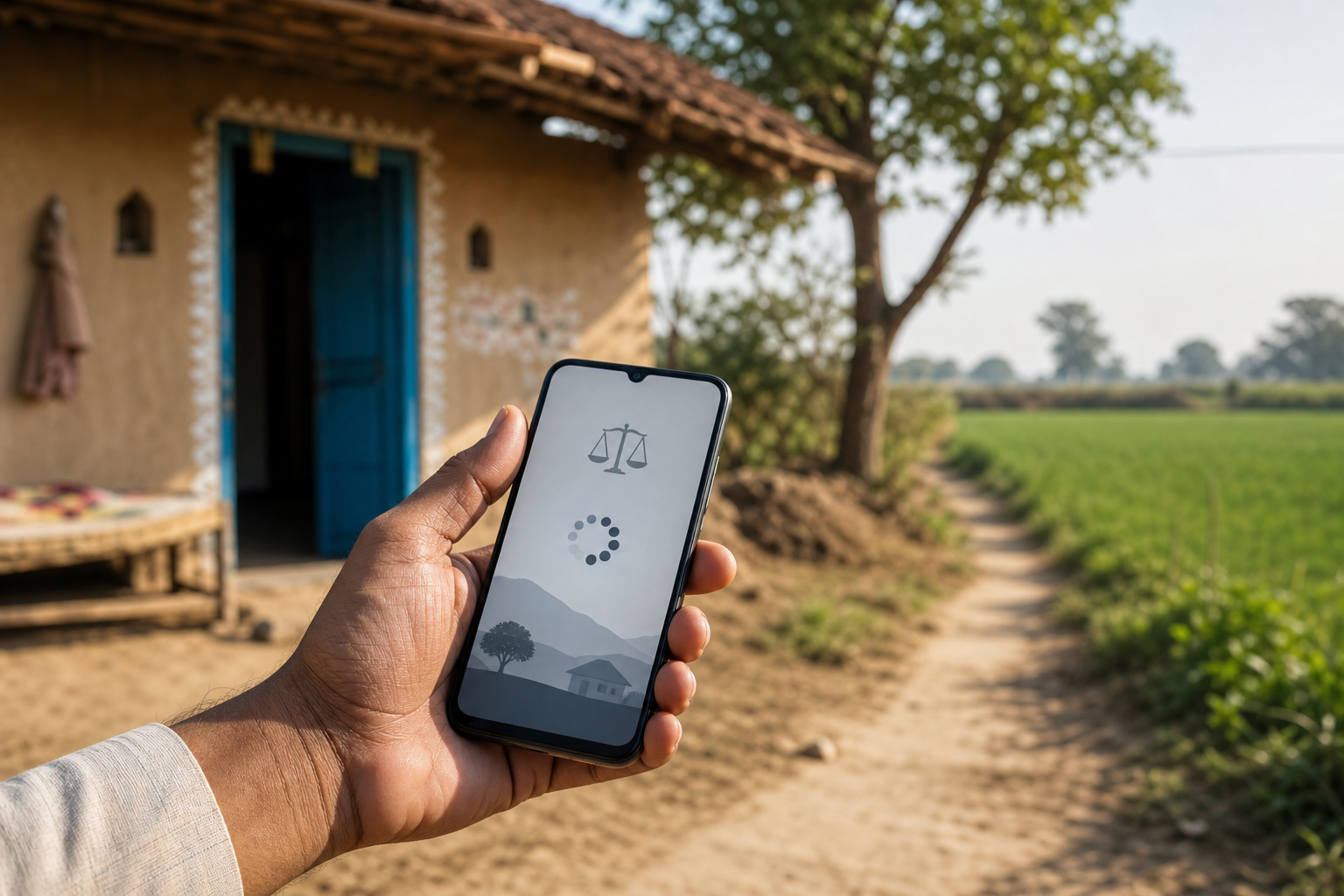
“I asked the platform to load on a single bar of signal. I could still share my 7/12 extract and get a draft reply same day.” — Legal aid volunteer in Jalgaon
As a final note, advocates who want a deeper checklist on verification and payment flows can read this companion piece: How to Choose a Secure Lawyer-Client Portal as a Bar Council Advocate.
**Get instant access, join free →
Common Mistakes Rural Users and Advocates Make with Lawyer-Client Case Workspaces
Mistake 1: Using WhatsApp as a case manager
WhatsApp is great for quick pings, not for case files. There are no version controls, forwards leak data, and backups land in shared phones. It also blurs attorney-client privilege norms.
Correct approach: Move matter files to a secure 1-on-1 workspace with encryption and access logs. Keep WhatsApp for time-sensitive alerts only.
Email and case attachments
Mistake 2: Sending Aadhaar, land records, or FIRs by open email
Open email lacks strong encryption and often syncs to many devices in a family. That spreads risk.
Correct approach: Use a workspace that encrypts at rest and in transit. Add simple file passwords when allowed, and share inside the portal.
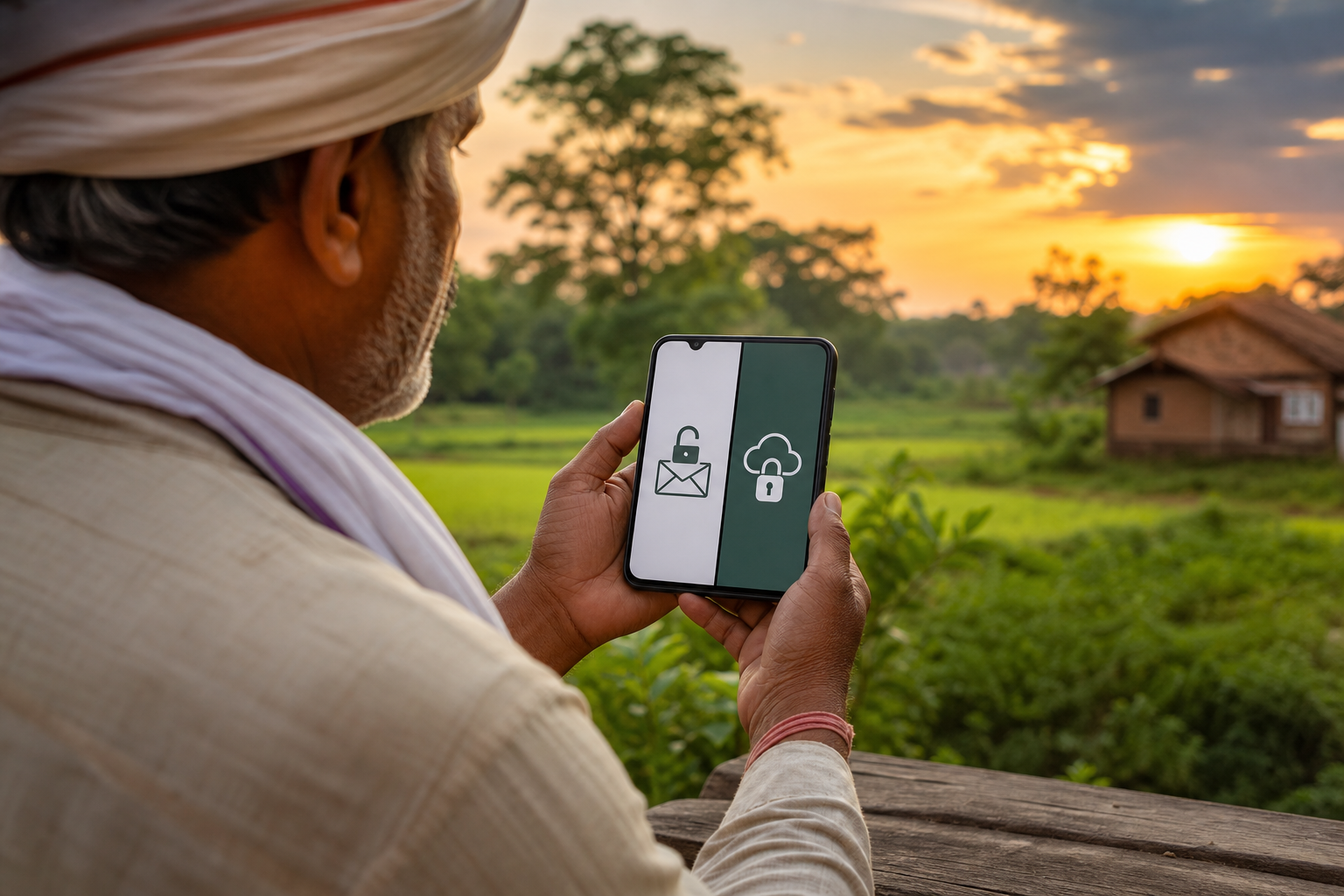
Mistake 3: Paying full fee upfront
Full advance can cause stress if drafts change or hearings get adjourned for months.
Correct approach: Use a secured escrow payment system ensuring payment after regulatory cooldown. Release funds by milestone after agreed work, with a visible ledger.
Apps and devices for your case workspace
Mistake 4: Picking a portal just because it has an app
An app badge does not mean it works on a 1 GB RAM phone or offline.
Correct approach: Test on a low-end device and a 2G/3G link. Check that core screens cache and that uploads resume after a drop.
Verification
Mistake 5: Ignoring advocate verification
Some sites allow anyone to “offer advice.” That invites harm.
Correct approach: Choose platforms that show real checks and aim for a 100% Bar Council verified panel. Ask how they match names to State Bar rolls and what they do if records are unclear.
Also Read!
LawyerBuddy vs LegalKart for Small Businesses: Which Is Better for Lawyer Bidding Marketplaces?
Best Lawyer Bidding Marketplace for Small Businesses in 2026
Tools and Platforms for Secure Lawyer-Client Case Workspaces in Rural India
Government resources
Start with government resources. The Ministry of Law and Justice runs Tele-Law under the Digital India initiative. Through village CSCs, you can get advice from panel lawyers and trained paralegals without a long trip.
Read more at the Department of Justice page: Tele-Law. In addition, NALSA coordinates legal aid panels for eligible families; you can find district contacts on nalsa.gov.in. For case tracking, the e-Courts Services portal shows cause-lists, orders, and case status tied to your district court.
Private platforms and stopgaps
Now, private platforms add features the public tools do not. Tools like LawyerBuddy are one option among several that focus on India-wide access: they offer AI-powered legal and tax help for India, support for multiple languages including Hindi, Tamil, and Telugu, and AI-structured case mandates that pre-organise jurisdiction, issue, budget, and documents. They also state a 100% Bar Council verified panel and provide a secure 1-on-1 workspace for document exchange and communication. For money safety, they run a secured escrow payment system ensuring payment after regulatory cooldown, and, as a risk reversal, they are free to register with no subscription fee. For advocates, a 24/7 live mandate feed across India helps with steady work without chasing.
On the other hand, many people use stopgaps like Google Drive for files and UPI for fees. These work in a pinch but miss legal-grade needs. Drive links spread, versioning gets messy, and folder access is hard to limit on shared phones. UPI QR payments are instant, but they lack milestones, receipts tied to tasks, and a clear refund path if a draft changes. Therefore, a proper portal with escrow, verified advocates, and a case workspace is a safer long-term home for your matter.
For Indians abroad reading this, you might prefer an NRI-specific guide that compares cross-border identity checks and payment flows; see this independent article on NRIs for broader context: How to Choose a Secure Lawyer-Client Portal for NRIs with Legal Issues in India.

Key Takeaways
- Pick a portal that runs well on 2G/3G, supports your regional language, and keeps all case files in one encrypted room.
- Demand verified advocates, clear escrow or milestone payments, and a ledger you can download at any time.
- Government tools help with advice and tracking; private portals add escrow, structured mandates, and a secure workspace built for daily use.
- Free registration with no subscription fee reduces risk; you pay only when real work starts.
- Use NJDG and e-Courts for transparency, and keep sensitive files off open email and mixed chat groups.
What to Do This Week to Secure Your Legal Communications
First, audit your current setup. List how you share legal files now. WhatsApp, email, pen drives, in-person photocopies. Mark which ones lack encryption, version control, or access limits. This 20-minute review shows the risk hotspots.
Second, test one portal. Sign up for a free service. Tele-Law for advice or a private platform with free registration, and upload a non-sensitive test file. Check speed on your local network and see if the screen works in your language. If the upload pauses and resumes cleanly after a signal drop, that is a green flag.
Third, switch one active case to a private, encrypted workspace. Move new drafts and messages there. Keep WhatsApp only for quick “reached court” notes. As a result, you will get a single timeline with fewer missed points.
Share and follow through on your case
Fourth, teach one person. Share what you learned with a fellow advocate or a family member handling a land or maintenance issue. Therefore, your small change this week can lift outcomes for your whole panchayat.
**Join free, verified cases today →
As you act on these steps in 2026, remember the principle: keep it secure, keep it simple, keep it local-language first. A secure lawyer-client case workspace is not a luxury in rural India, it is the shortest path to clarity, fair fees, and faster results.