

Small businesses looking for the best escrow payment lawyer option in 2026 need a hiring flow that protects every rupee from day one. [Start Free, Escrow‑Protected Hiring →].
And because GST rules and filings affect daily trade, even tiny errors pull small firms into avoidable disputes; see a primer on Wikipedia’s GST (India) article. The point is simple: you need a safer way to hire that respects your budget and time.

Who this guide is for
- Indian SMEs, startups, and family businesses that need predictable legal spend
- Finance heads who want GST-compliant, audit-ready billing without chaos
- First-time legal buyers who want the best escrow payment lawyer protection before committing funds
- Repeat buyers tired of fragmented chats, vague quotes, and quality disputes
If you’ve ever prepaid a retainer and then chased drafts for weeks, you’re exactly the audience this guide helps.
Why Small Businesses Struggle to Hire and Pay Lawyers Safely
For a small company, legal spend feels like a bet you must place before you see the cards. Upfront retainers drain working capital.
If the work disappoints, you have little use to push for rework or a refund. Even when you sign a fee letter, enforcing it means… more legal work. That circular trap is the core pain.
Moreover, you cannot easily verify who you’re paying. Profiles list “years of practice” and “specialization,” but those lines come from the lawyer, not an independent check. Without a simple way to confirm State Bar Council enrollment, you risk hiring someone unverified.
 manual phone calls and screenshots, (right) automated Bar Council enrollment cross-check with timestamp; Indian color accents; neutral brand)
Verification gaps, illustrated
- Self-described “specialists” may have limited case exposure in your jurisdiction
- Enrollment details can be outdated or incomplete without cross-checks
- References from friends sound comforting but don’t reveal conflicts or workload
- Without a unified workspace, even a strong lawyer can appear disorganized
Hidden frictions before the first hearing
Cash flow adds another layer. A lump‑sum for compliance or a reply to a GST notice can block salaries or vendor payments. In a tight month, that delay hurts growth. When the draft arrives late or light, you still need to pay for fixes. You end up paying twice.
Let’s talk real‑world SME scenarios in India:
- Contract disputes: A vendor shipment arrives short. You pay for a legal notice and suit draft, but the filing stalls.
- Compliance filings: You fund an annual return or policy review, yet the drafts need major edits before a deadline.
- GST issues: You rush to reply to a show‑cause notice, but the submission misses annexures and invites more queries.
use and retainer risk in everyday terms
- The lawyer holds your retainer while you hold the deadline risk; use is uneven by design.
- Switching counsel mid‑matter recreates onboarding costs and knowledge transfer delays.
- Fee letters are hard to enforce without adding more legal spend—catch‑22 for small P&Ls.
- “Pay now, fix later” becomes the default, even when output quality is disputed.
- Without milestone‑based acceptance, you pay for the promise of progress, not proof.
In addition, fee disputes tilt against you. The lawyer already holds your retainer. Switching counsel means new onboarding and more fees. On the other hand, pushing back risks a breakdown just before a hearing. That power imbalance makes you accept sub‑par work.
What scattered workflows really cost
Finally, scattered channels multiply risk. You share evidence over email, WhatsApp, and pen drives. Files get lost.
Wrong versions get filed. Sensitive data floats without audit trails. For a small business, one breach or misfiled draft can cost far more than the original fee.
Common version‑control mistakes SMEs report:
- Two “final” versions saved with different names; wrong one gets sent to counterparties
- Missing annexure index leads to incomplete submissions and avoidable objections
- Local device crash wipes the only copy of a redlined agreement
- Key approval comments trapped in a WhatsApp thread that no one can trace
- Vendor NDAs circulated without watermarks and later leaked in negotiations
“We weren’t struggling with the law as much as with process—finding the latest draft, ensuring annexures matched, and proving what was agreed when.”
Without escrow, you often prepay for risk—not results. Tying money to verified milestones restores balance and makes it realistic to demand quality.

The Bottom Line for 2026
- You need payment protection that links money to real work.
- You need verified advocates, not self‑reported claims.
- You need one secure place for documents and chats.
If you want the best escrow payment lawyer outcome, start by fixing how you pay and how you verify. Everything else builds on those two pillars. In practice, that means a neutral fund holder, a cooling‑off window, and a structured way to compare bids on the same facts, so “good enough” no longer wins by default.
What to Look for in an Escrow-Protected Lawyer Hiring Platform
Before you pick any tool, use a clear checklist. Your goal is to choose the best escrow payment lawyer platform for your needs, not just a directory with profiles. Ask these questions up front and push for direct answers.
1) True Escrow, Not “Secure Payment”
Ask: Who holds the money? A real escrow means a neutral party holds your funds and releases them only after clear milestones or a regulatory cooldown period. If the platform sends your money to the lawyer on day one, that’s not escrow. If there’s no cooldown window to raise a dispute, it’s just a wallet with fancy words.
Pro tip: Ask for a one-page escrow flowchart with timestamps, dispute windows, and release triggers. If they can’t provide it, it’s probably not true escrow.
2) Lawyer Verification You Can Trust
Ask: How do you verify lawyers? Look for checks against State Bar Council enrollment records, not just ID uploads or self‑declarations. You should see “Bar Council verified” stated clearly, with a 100% verified panel claim if the platform stands by it. Anything else is guesswork.

3) AI-Assisted Case Structuring for Accurate Quotes
Ask: Will the platform organize my issue before lawyers bid? You want your mandate pre‑structured with jurisdiction, issue type, budget range, and attached documents. When advocates see a clean brief, quotes become accurate. You avoid inflated “risk buffers” that hide in hourly rates. For a primer on legal AI’s value, here’s a plain‑English explainer on the ai lawyer trend.
- Inputs to structure: facts, deadlines, prior correspondence, annexures
- Outputs you want: milestones, turnaround times, scope boundaries, assumptions
- Result: tighter, comparable bids that map to the same deliverables
4) Transparent Bidding, Not Opaque Hourly Rates
Ask: Do multiple verified lawyers see and bid on my case? A 24/7 live feed encourages fair pricing. If you only get one quote after a phone call, you can’t benchmark. Transparent bids tied to the same structured brief are the best way to judge value.
Benchmark idea: Ask for 3 bids mapped to identical milestones (draft, revisions, filing). You’ll instantly see who is padding hours versus tying fees to outcomes.
5) Secure Workspace for Documents and Chat
Ask: Is there an encrypted, 1‑on‑1 workspace? Your drafts, annexures, invoices, and calls should live in one place with audit trails. If the plan is “email and WhatsApp,” you inherit risk. You also lose use in disputes due to missing version history.
- Must-haves: permissions, version history, call logs, watermarking for sensitive PDFs
- Nice-to-haves: OCR search, inline comments, task checklists
6) Multilingual Support for India
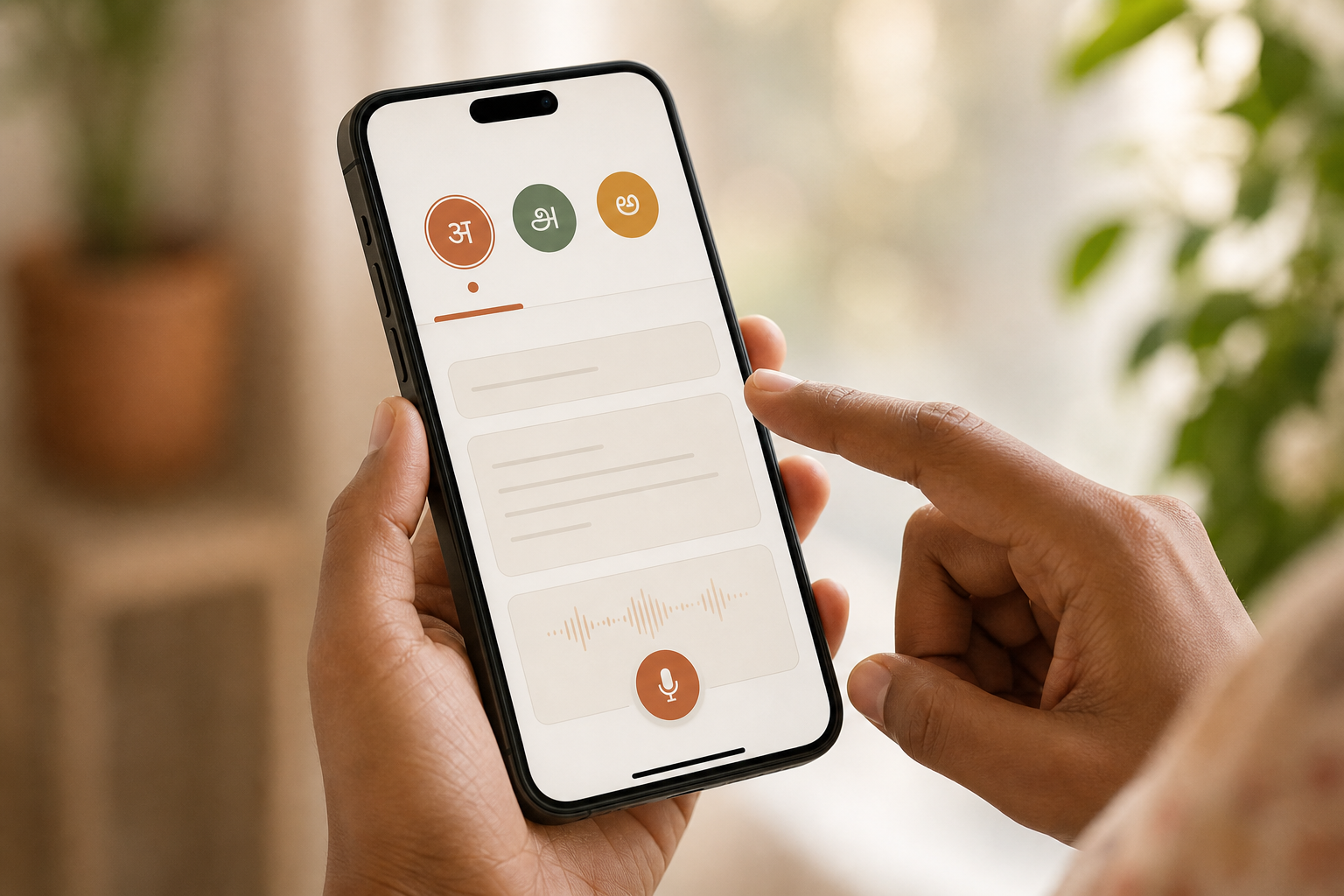
Ask: Can I brief my case in my language? Hindi, Tamil, and Telugu support can be the difference between a clear brief and missed nuance. If you trade outside metro cities, language support is not a nice‑to‑have, it’s core to getting your facts right.
7) Dispute Rules, Milestones, and Human Escalation
Ask: What happens if things go wrong? Look for a written dispute playbook with milestone‑based payment splits, evidence requirements, and time‑boxed response cycles. There should be a human escalation path beyond automated forms, plus the option for partial releases if some deliverables meet scope.
Clear, pre‑agreed rules dramatically reduce friction when you need corrections. They also deter low‑effort bids because expectations and remedies are transparent up front.
Milestones vs deliverables (example mapping):
- Draft stage: first version of notice or agreement; includes risk highlights
- Revision stage: two revision cycles; includes tracked changes and rationale notes
- Filing stage: final version plus annexure index and proof of submission
| Milestone | Typical Deliverables | Evidence for Release | Common Pitfalls to Flag Early |
|---|---|---|---|
| Draft | Full draft + summary of key clauses/risks | Timestamped upload; change log | Missing annexures; vague clause language |
| Revisions | Two rounds of edits | Comment threads resolved; version history | Scope creep; new issues not in brief |
| Filing/Submission | Final signed/ready-to-file doc | Filing receipt or acknowledgment | Wrong jurisdiction; missed deadline |
8) Indian Data Residency and GST-Compliant Billing
Ask: Where is my data stored, and how will I be invoiced? For Indian SMEs, data residency in India and encryption at rest/in transit are now practical necessities, not luxuries. You should also expect GST‑compliant invoices with proper SAC codes, your GSTIN on the bill, and easy support for TDS under Section 194J when applicable.
Platforms that get these basics right save you reconciliation time at month‑end. They also reduce compliance risk while you chase the best escrow payment lawyer outcome.
- Billing checklist: SAC code, GSTIN, reverse charge applicability, place of supply, HSN/SAC description, TDS mention, pro‑forma and final invoice parity
- Data checklist: encryption, access logs, backup policy, breach notification SLAs, India data centers
A Quick Self-Check
- Does the platform hold funds in a neutral escrow with a cooldown?
- Are all listed lawyers verified against Bar Council records?
- Will my case be AI‑structured before bids arrive?
- Can I compare live bids in one dashboard?
- Is there a secure workspace instead of scattered chats?
- Can I brief in a language I’m comfortable with?
- Is there a written dispute process with human escalation and milestone checks?
- Do you get GST‑compliant invoices and Indian data residency guarantees?
If any answer is “no,” look elsewhere. A few extra minutes of diligence today can save weeks of rework, fee disputes, and missed deadlines tomorrow.
Red flags that usually predict trouble
- “Escrow” that releases funds immediately on award rather than on milestone acceptance
- Profiles with vague “specialist” tags but no jurisdiction or enrollment references
- Hourly quotes with wide “depends on complexity” ranges and no milestone mapping
- Workspaces that default to email/WhatsApp without audit trails or watermarking
- Billing with missing GSTIN/SAC codes or unclear place of supply
- No written dispute window or reliance on “we’ll figure it out” assurances
Also Read!
How LawyerBuddy Solves Escrow-Protected Lawyer Hiring for Small Businesses
You’ve seen the criteria. Here’s how LawyerBuddy maps to each one with features built for Indian SMEs, so you can pursue the best escrow payment lawyer experience without guesswork.
Secured Escrow Payment System With Cooldown
LawyerBuddy holds your funds in a secured escrow and releases them only after a regulatory cooldown period. Therefore, your money never jumps to the lawyer on day one. If deliverables fall short, you have a built‑in window to raise a dispute. Compared to alternatives that push instant payouts, this escrow‑plus‑cooldown design keeps your cash safe until real work is done. It also aligns incentives around on‑time delivery and complete scope.
- Outcome: Fewer write‑offs, no “sunk cost” pressure to accept weak drafts
- Control: Raise disputes within a clear, time‑boxed window
- Clarity: Release triggers mapped to milestones
100% Bar Council Verified Panel
Every advocate on LawyerBuddy is verified against their State Bar Council enrollment. It’s not self‑reported, and there are no unverified profiles. Because the panel is 100% Bar Council verified, you remove a huge source of risk at the start. That’s a structural advantage you can’t replicate with walk‑in referrals or generic directories. You start from trusted credentials rather than guesswork, then choose based on fit and price.
“Verification wasn’t a badge—it was a prerequisite. It made our shortlist phase 10x faster.” — Founder, D2C apparel brand
AI-Structured Case Mandates for Clear Quotes
Before any lawyer bids, the platform’s AI organizes your mandate with jurisdiction, issue type, budget, and attached documents. As a result, advocates quote against the same facts, not vague calls. You save hours of back‑and‑forth and get sharper pricing for tasks like contract drafts, compliance filings, or GST replies. For more on AI in plain terms, see this backgrounder: ai lawyer. The upfront structure also reduces scope creep because both sides can point to the same brief.
- Less ambiguity: Explicit inclusions/exclusions
- Faster kickoff: Intake-to-bid without back-and-forth emails
- Better governance: Every assumption captured in writing
24/7 Live Mandate Feed Across India
Your structured brief appears in a live feed that verified advocates can view at any time. Therefore, you don’t wait for business hours or a single referral chain. Lawyers from the right jurisdiction and practice area can opt in and bid, so you see the market in motion, not a closed loop. This nationwide visibility increases the chance of finding niche expertise without paying metro‑only premiums.
“We posted after sunset and still got three credible bids by morning, each mapped to the same milestone plan. The escrow cooldown made our approval checklist meaningful.” — Founder, logistics SME

Secure 1‑on‑1 Workspace
All documents, chats, and calls live in one encrypted workspace. No loose files, no version chaos, and clear timelines for who sent what, when. For small businesses handling sensitive vendor terms or tax data, this single source of truth cuts real risk. Built‑in audit trails help resolve misunderstandings quickly, and centralized storage supports smoother handovers if staff rotate.
What goes inside the workspace:
- Mandate brief, milestones, and change requests
- Drafts with tracked changes and side-by-side comparisons
- Call summaries, voice notes, and meeting recordings
- Invoices, pro‑formas, and TDS acknowledgments
Timeline snapshot: from post to payout
- Intake and AI structuring: capture facts, documents, and desired outcomes
- Escrow funding: verify amount and milestone split before publication
- Live feed exposure: verified advocates review and submit mapped bids
- Award and kickoff: align on acceptance criteria and communication cadence
- Delivery and review: upload drafts, annotate, and confirm changes in‑workspace
- Cooldown and release: raise disputes if needed; partial or full releases executed

Multi-Language Support: Hindi, Tamil, and Telugu
If you’re outside a metro or your team prefers to brief in Hindi, Tamil, or Telugu, you can do that without losing nuance. This support is key for clean inputs, which then drive accurate outputs and quotes. It’s also helpful when you need to collect facts from field teams or non‑legal managers who prefer to explain issues in their first language.
“We briefed in Hindi, our counsel drafted in English, and the bilingual thread kept everyone aligned.” — Co‑founder, agri‑supply SME
Free to Register, No Subscription (+ Risk-Free Entry)
LawyerBuddy is free to register with no subscription fee. You also get 5 free legal questions answered daily and 5 free document reviews daily, so you can test the waters before you fund any escrow. If you’re unsure about scope or budget, use these free touches to decide next steps with less stress. For example, upload a vendor agreement for a red‑flag review, then decide whether to post a paid mandate for a deeper rewrite.
“The 100% Bar Council verified panel and escrow cooldown meant we never paid for half‑done drafts again.” — Operations Lead, small trading firm
Moreover, unlike generic marketplaces, you don’t pay until you fund a specific escrow. That aligns incentives with your results. And compared to traditional hiring, you keep control of funds until work is delivered and the cooldown passes.

Structured Dispute Resolution and Human Escalation
Disputes are handled with a documented process: milestone mapping, evidence uploads, and time‑boxed replies from both sides. If needed, a human escalation layer reviews facts and can recommend partial releases or revisions. The goal is not to stall payment; it’s to make sure payment follows scope and quality.
This structure lowers emotional pressure and encourages both parties to resolve issues professionally. It turns “he said, she said” into a checklist backed by a neutral fund holder.
Sample dispute timeline:
- Day 0: Deliverable uploaded; cooldown window starts
- Day 1–2: Buyer review and acceptance questions posted in workspace
- Day 3–4: If gaps persist, formal dispute toggle with evidence list
- Day 5–7: Lawyer response and proposed remedy; partial release considered
- Day 8+: Human escalation if unresolved; documented recommendation issued
India Data Residency and GST-Compliant Billing
Your case data sits on India‑based infrastructure with encryption at rest and in transit. Access logs and audit trails provide visibility into who viewed or edited files. On the finance side, invoices carry proper GST details, SAC codes, and your GSTIN, and workflows support TDS deductions under Section 194J.
This combination helps finance teams close books faster and keeps compliance neat for audits. It’s practical protection that complements escrow and verification.
- Finance wins: No more chasing revised invoices; consistent SAC codes and GSTIN details
- Compliance wins: Data residency statements for audit files; role-based access logs for IT checks
- Security wins: Backup cadence, breach notification protocol, and least-privilege access
| Feature | LawyerBuddy, [Get Free AI Case Structuring →] | Traditional Hiring | Generic Marketplaces |
|---|---|---|---|
| Payment Security | Secured escrow with regulatory cooldown; release after deliverables | Upfront retainer or pay‑as‑you‑go; low refund use | Platform‑facilitated invoice; no escrow or cooldown |
| Lawyer Verification | 100% Bar Council verified panel | Trust based on network reputation | Self‑listed profiles; mixed verification |
| Case Structuring | AI‑organized brief (jurisdiction, issue, budget, documents) before bids | Unstructured calls; scope drifts | Basic forms; limited pre‑bid structure |
| Pricing Transparency | Transparent bidding via 24/7 mandate feed | Opaque hourly rates; few benchmarks | Fixed quotes without comparable bids |
| Communication | Encrypted 1‑on‑1 workspace; audit trail | Emails/WhatsApp; scattered versions | Platform chat + off‑platform emails |
| Cost to Start | Free to register; no subscription | Consultation fees common | May require subscription or lead fees |
On the other hand, traditional hiring can move fast if you already know the counsel well. And some directories claim very large databases. If those strengths matter more than payment safety, you might stick with them. But if you want escrow protection, verified credentials, and fair pricing, LawyerBuddy’s model offers structural safeguards that alternatives do not.
To reduce bias, try a small task side‑by‑side. For example, run a contract review on LawyerBuddy and another through your usual route. Compare the experience, timelines, and the final invoice.
When escrow makes the biggest difference
- Time‑sensitive filings where late penalties compound the pain of poor work.
- Multi‑stakeholder projects (vendors, distributors, franchisees) with many annexures to track.
- First‑time engagements in a new jurisdiction where you lack local referrals.
- Discrete, outcome‑tied tasks like notice drafting, reply to show‑cause, or a single agreement review.
Also Read!
How to Find a Lawyer Through a Bidding Marketplace in Rural India
Trust, Credentials, and Why Small Businesses Can Rely on This Model
Start with credentials. LawyerBuddy operates a 100% Bar Council verified panel, which means each advocate is cross‑checked against State Bar Council enrollment records. This matters because it moves you from trust‑me bios to documented enrollment.
For context on the regulator, see the Bar Council of India.
Why credentials matter beyond the badge
- Enrollment confirmation reduces identity risk and helps screen for jurisdiction fit.
- Clear practice areas mapped to verified enrollment cut “dabbling” on sensitive issues.
- Faster shortlisting: SMEs spend less time validating basics and more time comparing bids.
- Better accountability: verified status ties performance to a real, regulated professional.
Regulators and cooldowns: what they mean
Next, payment safety. A secured escrow payment system holds funds until work is delivered and a regulatory cooldown period passes. Therefore, you get time to review output and raise issues. This is not “instant payout with promises.” It’s a concrete delay window that creates real accountability around deliverables and scope. The cooldown reduces pressure on SMEs to accept sub‑optimal drafts just to avoid awkward conversations.

Then, practical help before you even hire. LawyerBuddy includes AI‑powered legal and tax help for India, plus 5 free legal questions answered daily and 5 free document reviews daily. So, you can sanity‑check a show‑cause reply, a vendor term, or an HR clause before you commit any rupees to escrow. You also get 2 follow‑up questions per case, which promotes structured engagement rather than one‑off, rushed calls. Early clarity translates into fewer change requests and more predictable fees.
Finally, incentives. The platform is free to register with no subscription fee. That risk‑reversal matters to SMB owners who pay from their own pockets.
The model earns when real legal work moves through escrow and gets released. Your goals and the platform’s goals match. In short, you pay for delivered value rather than promises.
What “100% verified” includes—and excludes
- Includes: cross‑check of enrollment against State Bar Council records with timestamped verification
- Includes: jurisdiction mapping and practice‑area tagging based on documented history
- Includes: ongoing re‑verification cycles so status never goes stale
- Excludes: self‑attested “specialist” claims without evidence or regulator‑linked references
- Excludes: unverified profiles that rely only on ratings or testimonials

Privacy and confidentiality in plain terms
- Data stays in India with encryption at rest and in transit
- Workspace permissions restrict who can view or download sensitive files
- Audit logs capture access and edits for internal controls
- Clean exit: if you change counsel, your files remain organized and exportable
- NDA support: attach your standard NDA to each mandate as a baseline safeguard
How to Get Started: A Small Business Owner's Step-by-Step Guide
You don’t need a legal background to start. Here’s a simple path to test escrow‑first hiring in 2026 without blowing your budget.
-
Step 1: Register for free. No credit card. No subscription.
-
Step 2: Ask the AI up to 5 free legal questions and upload up to 5 documents for free reviews. Get your bearings.
-
Step 3: If you need counsel, the AI structures your mandate: jurisdiction, issue type, budget, and documents.
-
Step 4: Fund the escrow for that mandate. Your money stays in escrow, not with the lawyer.
-
Step 5: Verified advocates across India see your case on the 24/7 live feed and start bidding.
-
Step 6: Review bids, choose your advocate, and work in the secure 1‑on‑1 workspace.
-
Step 7: After deliverables and the regulatory cooldown, payment releases from escrow.
Practical Tips Before You Commit
- Start with a small task to test the workflow and timing.
- Use Hindi, Tamil, or Telugu support if that’s your comfort zone.
- Use your 2 follow‑up questions per case to lock scope before you accept a bid.
- Keep every chat and file inside the workspace for a clean audit trail.
- Ask bidders to map their quote to milestones; it makes the cooldown check simple.
- Time‑box responses: agree on turnaround expectations before work starts.
- For GST and TDS, ask for pro‑forma and final invoices up front to prevent payment holds.

A short explainer can help you visualise the process, especially when you’re posting your first mandate and want to map milestones to payments.
[Start Free. Secure Your Escrow Today →], it shows how to match scope and fees, useful thinking for any brief.

Common first mandates Indian SMEs post
- Vendor agreement review with red‑flag summary and revision plan
- Draft and dispatch of a payment reminder/legal notice to a distributor
- Reply to a GST show‑cause notice with annexure index and timelines
- Privacy policy + Terms of Use refresh for a new e‑commerce line
- Basic employment documents: offer letter, NDA, and IP assignment refresh
Example milestone map for a GST reply
| Phase | Deliverable | Evidence of Completion | Typical Cooldown Check |
|---|---|---|---|
| Discovery | List of queries + document checklist | Timestamped Q&A thread | Are all notices/annexures accounted for? |
| Drafting | First draft of reply + risk memo | Uploaded draft with change log | Do arguments map to notices and cited sections? |
| Revisions | Two tracked-change cycles | Resolved comments in workspace | Have factual clarifications been incorporated? |
| Filing | Final reply + annexure index | Acknowledgment/filing receipt | Is the receipt legible and matches the brief? |
Also Read!
Frequently Asked Questions
How much does it cost to hire a lawyer through an escrow payment platform?
LawyerBuddy is free to register with no subscription fees. You only pay when you fund an escrow for a specific case. Because your case is AI‑structured before it goes live, verified advocates can bid accurately.
As a result, pricing is transparent and market‑driven instead of vague hourly ranges. You decide which bid to accept based on scope, timeline, and cost. Many SMEs find that transparent competition trims “uncertainty padding” that inflates quotes elsewhere.
What happens to my escrow money if I'm not satisfied with the lawyer's work?
Funds sit in escrow and do not move to the lawyer on day one. After deliverables, there is a regulatory cooldown period. During that window, you can raise a dispute if work is incomplete or off‑scope.
Only after this window does the platform release funds, adding a real layer of protection for SMEs. This design reduces the emotional friction of asking for fixes because the process is structured and time‑bound.
How do I know the lawyers on the platform are actually qualified?
LawyerBuddy runs a 100% Bar Council verified panel. Each advocate is checked against their State Bar Council enrollment records before joining. This removes guesswork from profile claims and reduces the risk of hiring unverified or unqualified practitioners.
You start with known credentials, then judge based on bids and results. The verification status is displayed so you can confirm it at a glance.
Can I use this platform for small legal tasks, not just big cases?
Yes. LawyerBuddy supports small tasks like contract reviews, policy tweaks, and compliance filings. You can begin with 5 free legal questions and 5 free document reviews daily to scope your need.
The AI still structures your mandate, even for a simple task, so bids stay accurate. That helps you avoid “minimum billing” surprises. Start small and scale only if the initial output meets your expectations.
Are there alternatives to escrow-based lawyer hiring for small businesses?
Alternatives include hiring through referrals, using generic lawyer directories, or paying retainers to full‑service firms. Those options can work but offer little payment protection.
An escrow‑based platform adds a neutral fund holder and a cooldown window. That setup directly tackles the biggest financial risk in legal hiring: paying before work is verified. If you value speed over safeguards, a referral might suffice; if you value accountability, escrow wins.
Is the platform available in languages other than English?
Yes. LawyerBuddy supports multiple Indian languages, including Hindi, Tamil, and Telugu. Clear input leads to better quotes and smoother delivery.
If your team is more comfortable in these languages, use them for your mandate and follow‑ups. You won’t lose nuance to translation gaps. Bilingual threads in the workspace keep context intact for all stakeholders.
How does AI case structuring help me get better lawyer bids?
The AI organizes your facts: jurisdiction, issue type, budget, and attachments. With that clean brief, lawyers can gauge effort and risk before bidding. So, you get tighter quotes and fewer mid‑matter add‑ons.
You also have 2 follow‑up questions per case to refine details and prevent scope creep. In effect, better inputs lead to better outputs, and more predictable fees.
How long does it take to find a lawyer through the platform?
Once your escrow is funded and your mandate is published, advocates can start bidding right away via the 24/7 live feed. Timing depends on issue and jurisdiction, but the nationwide reach speeds things up.
Because bids arrive against the same structured brief, you can compare like‑for‑like quickly. Many SMEs shortlist within hours, then schedule a quick call inside the workspace before awarding.
Can I post recurring or multi-phase work, not just one-off tasks?
Yes. Break the mandate into milestones. Phase 1: initial draft, Phase 2: revisions and filings, Phase 3: hearing prep, and link each milestone to a percentage of escrow. The cooldown window runs after each milestone, not only at final delivery, which keeps quality consistent throughout.
For ongoing retainers, you can still use the escrow model by slicing the retainer into monthly deliverables. That way you preserve flexibility while keeping payment protection.
What kinds of legal matters fit best on an escrow platform?
Outcome‑tied, document‑heavy work fits best: drafting and reviewing agreements, policy updates, notices, replies to regulators, trademark filings, and routine compliance. Complex multi‑year litigation can also work when broken into milestones (pleadings, evidence, written submissions), but always map scope tightly.
If your matter is highly fluid with many unknowns, consider a short discovery mandate first to scope effort before funding a larger escrow.
How are conflicts of interest handled?
Verified advocates are required to disclose conflicts before accepting a mandate. If a conflict arises mid‑matter, they must withdraw per professional rules. In practice, the structured brief and 1‑on‑1 workspace make it easier to screen conflicts early, especially when counterparties and jurisdictions are clearly stated.
If a conflict triggers a change of counsel, unused funds remain in escrow and can be reassigned to a new lawyer after the cooldown checks.
Can I invite my existing lawyer to work via escrow?
Yes. Many SMEs bring trusted counsel into the escrow model to add payment structure and audit trails. Your lawyer benefits from clearer milestones and faster, documented approvals, and you benefit from cooldown protection and GST‑clean billing.
Win‑win: same counsel, better guardrails—no more awkward fee conversations.
What security standards should I look for?
Check for encryption (TLS in transit, AES‑256 at rest), role‑based access control, regular backups, and documented incident response. Ask about India data residency and whether third‑party audits or penetration tests are performed. A platform that can share a high‑level security overview usually has the basics in place.
Can I get partial releases if only some deliverables are complete?
Yes. Partial releases are core to balancing fairness. If the draft meets scope but filing is pending, you can release the draft milestone while holding the filing milestone until evidence is uploaded. This avoids all‑or‑nothing standoffs and keeps momentum.
What happens if I cancel a mandate mid‑way?
If you cancel before work starts, the escrow remains intact and can be returned subject to platform rules and any fees disclosed upfront. If work has begun, partial releases may apply based on completed milestones. The written dispute process ensures both sides can submit evidence before a final decision.
How do platform fees work?
Registration is free and there’s no subscription. Platform fees, if any, are disclosed before you fund escrow and are typically baked into the bid or shown as a transparent line item. This makes total cost predictable and avoids end‑of‑matter surprises.
Will using escrow slow my matter down?
In practice, escrow speeds work because milestones and acceptance criteria are explicit. Lawyers know what triggers release and can plan effort accordingly. The cooldown window encourages timely reviews from SMEs; when both sides respect timelines, throughput improves rather than stalls.
Glossary: quick definitions you’ll see on the platform
- Escrow: A neutral account that holds your funds until milestones are accepted and a cooldown passes.
- Cooldown: A fixed window after delivery during which you can raise disputes before funds are released.
- Milestone: A defined phase of work with a clear deliverable (e. g., first draft, revisions, filing).
- Partial release: Payment for completed milestones while holding the rest until remaining work is done.
- Verification: Cross‑checking a lawyer’s enrollment with State Bar Council records, not just self‑declarations.
Further reading and references
- Bar Council of India overview: https://en.wikipedia.-GST basics (India): https://en.wikipedia.- Backgrounder on AI in legal: https://blog.lawyerbuddy.-India’s GST portal (for forms and returns): https://www.gst.gov.
Wrapping Up: Choose Protection, Not Promises
- Escrow with a cooldown ties payment to results and gives you time to review work.
- Verification against Bar Council records reduces the chance of hiring the wrong person.
- AI‑structured mandates and live bidding bring price clarity, which matters in 2026 as legal costs rise.
If you want the best escrow payment lawyer path for your small business, start small, test the workflow, and pay only when you see progress. Your cash deserves that discipline.
[Get Started Free. Escrow‑First Hiring →]. The vetting lens is the same: clear scope, verified credentials, and guardrails on fees.