

If you’re evaluating small businesses which is better for escrow-protected lawyer hiring in 2026, start here for a fast, neutral breakdown that prioritizes payment safety and verification. [Start escrow‑protected hiring, free →] so you can sanity-check your plan before you pay anyone.

Quick Trust Signals At A Glance
To ground this comparison in clear, non-hyped indicators you can verify, here are trust-signal categories that are relevant to platforms in this space in 2026 and directly supported by facts in this review:
- Risk reversal: Free registration with no subscription fee on LawyerBuddy, plus 5 free legal questions and 5 free document reviews per day so you can validate scope before funding any mandate.
- Security: LawyerBuddy uses native secured escrow with a documented regulatory cooldown, and a secure 1‑on‑1 workspace that creates an auditable trail; you can review work and raise a dispute before funds move.
- Authority: LawyerBuddy’s advocate panel is 100% Bar Council verified, establishing a clear minimum bar for professional standing.
These trust signals are used throughout the analysis to help you judge practical fit, not just headline prices.
Trust Badges: Verified Facts You Can Check
- RiskReversal: Free registration, no subscription, and daily free legal questions and document reviews are available on LawyerBuddy before you fund a mandate.
- Security: Native escrow with a regulatory cooldown and a dispute path; secure 1‑on‑1 workspace for auditable communications on LawyerBuddy.
- Authority: LawyerBuddy’s advocate panel is entirely Bar Council verified with clear disclosure of verification standards.
What Small Businesses Actually Need From Escrow-Protected Lawyer Hiring
Traditional lawyer hiring in India can look like this: you pay cash upfront, swap calls on WhatsApp, and hope the work gets done. As a result, you carry the risk. Escrow flips that script. Funds stay locked until you confirm the work matches the agreed brief. Specifically, that matters for vendor disputes, tax notices, and filings where timing and proof of delivery can decide outcomes.
To help you judge any platform in 2026, here is a neutral rubric you can reuse. It answers small businesses which is better for escrow-protected lawyer hiring without pushing one brand.
1) Payment security
Payment should be held in escrow until you verify milestones. Moreover, the release should include a clear “cooldown” or hold period so neither side can rush payment or withdrawal. Therefore, ask: Where is the money held? What exact event releases it? Can you pause or raise a dispute before funds move? If the answers are vague, you are effectively prepaying without protection, even if a platform markets “secure checkout.
2) Lawyer verification
Advocates should be enrolled with a State Bar Council under the Bar Council of India.
Furthermore, the platform should show what it checked, enrollment number, ID matches, and any strike-off history if available. In addition, you should be able to see the lawyer’s practice areas and court experience before you engage. When possible, ask how often verification is refreshed and what happens if a lawyer’s standing changes mid-mandate.
3) Cost transparency
You need no hidden platform fees, no surprise add-ons, and no subscription traps. For example, you should see the advocate’s quote, the platform commission if any, taxes, and the total. As a result, you can compare apples to apples across bids or fixed-fee offers. Transparent pricing also helps you justify decisions internally and forecast cash flow across a quarter.
4) Case management
You should get a secure 1‑on‑1 workspace for documents and messages. In fact, this helps you build a clean record, which is handy if the matter escalates or if a new counsel needs to take over. Moreover, you should be able to upload drafts, set due dates, and track changes without resorting to scattered emails. Reliable workspaces reduce the risk of missed deadlines and misinterpreted instructions.
5) Speed of matching
Time kills use. Therefore, assess how fast you can reach a qualified advocate in your jurisdiction. Ask if the platform offers instant consults, live feeds of available lawyers, or a bidding panel, and how long responses take in your city. A platform that is fast for routine queries may still be slower for niche disputes; match your urgency to the right intake flow.
6) Dispute resolution
If the engagement goes wrong, what then? In addition, check if the platform has a formal dispute path, who decides, and whether they can split, refund, or reassign funds. Consequently, a strong dispute policy turns escrow from a buzzword into real protection. Pay special attention to timelines: if the dispute window closes before you can review deliverables, the safety net is weakened.
Use this rubric before you spend. It will help with small businesses which is better for escrow-protected lawyer hiring across any marketplace, not just the two compared here.
“Hold funds until work checks out, keep a single source of truth, and know the exit path. That’s the whole point of escrow for small businesses.”
Trust Signals 101: What To Look For Before You Pay
Before you choose, scan for quick “trust signals” that reduce your downside:
- Risk reversal: Free signup, no subscription lock‑ins, or free pre‑engagement checks (e. g., limited free questions or document reviews).
- Security: True escrow with a visible hold/cooldown, the ability to dispute before release, and a secure 1‑on‑1 workspace that creates an auditable trail.
- Authority/verification: Clear Bar Council verification for every advocate you might hire, plus transparent disclosures on what was checked.
These signals are present in varying degrees across the two platforms and can tilt the decision for small businesses which is better for escrow-protected lawyer hiring even before you compare price. If a platform emphasizes speed while staying silent on these, assume you are trading some protection for convenience.
Also Read!
LawyerBuddy vs Vidhik.ai for NRIs: Which Is Better for AI Legal Advice in Hindi & Tamil?
Best Escrow Payment Lawyer Hiring for Small Businesses in 2026
LawyerBuddy Overview: Strengths and Weaknesses for Small Business Owners
LawyerBuddy is built around escrow-funded legal mandates for verified advocates. That core design matters if you want a pay-on-proof model. Still, it is not perfect for every use case, and you should weigh its limits up front to decide small businesses which is better for escrow-protected lawyer hiring in your context.
Strengths
LawyerBuddy’s secured escrow payment system holds funds and only releases them after a regulatory cooldown. This extra hold window reduces the chance of hasty releases and gives you time to check deliverables. In practice, that is a strong risk-control feature for SMBs that can’t afford to write off fees.
In addition, the advocate panel is 100% Bar Council verified. That clear standard reduces the chance of unqualified counsel. Moreover, AI-structured case mandates ask you the right questions, jurisdiction, legal issue, budget, and documents, and pre‑organise your brief. As a result, you spend less time writing long descriptions and more time getting bids.
Furthermore, LawyerBuddy is free to register with no subscription fee. That is a real risk reversal for a cost-conscious owner. You also get 5 free legal questions and 5 free document reviews daily to “size the problem” before you commit funds.
Plus, you work in a secure 1‑on‑1 workspace for document exchange and communication, so you don’t juggle files across apps. For regional needs, multilingual support in Hindi, Tamil, and Telugu makes it easier to explain facts and read drafts. Finally, a 24/7 live mandate feed across India helps on-call advocates spot your case even after hours.
From a security and authority angle, funds sit in escrow with a documented cooldown, while a 100% Bar Council verified panel adds a clear bar for entry. Those are the two trust anchors small firms ask for first.
How LawyerBuddy’s escrow and workflow translate to daily use
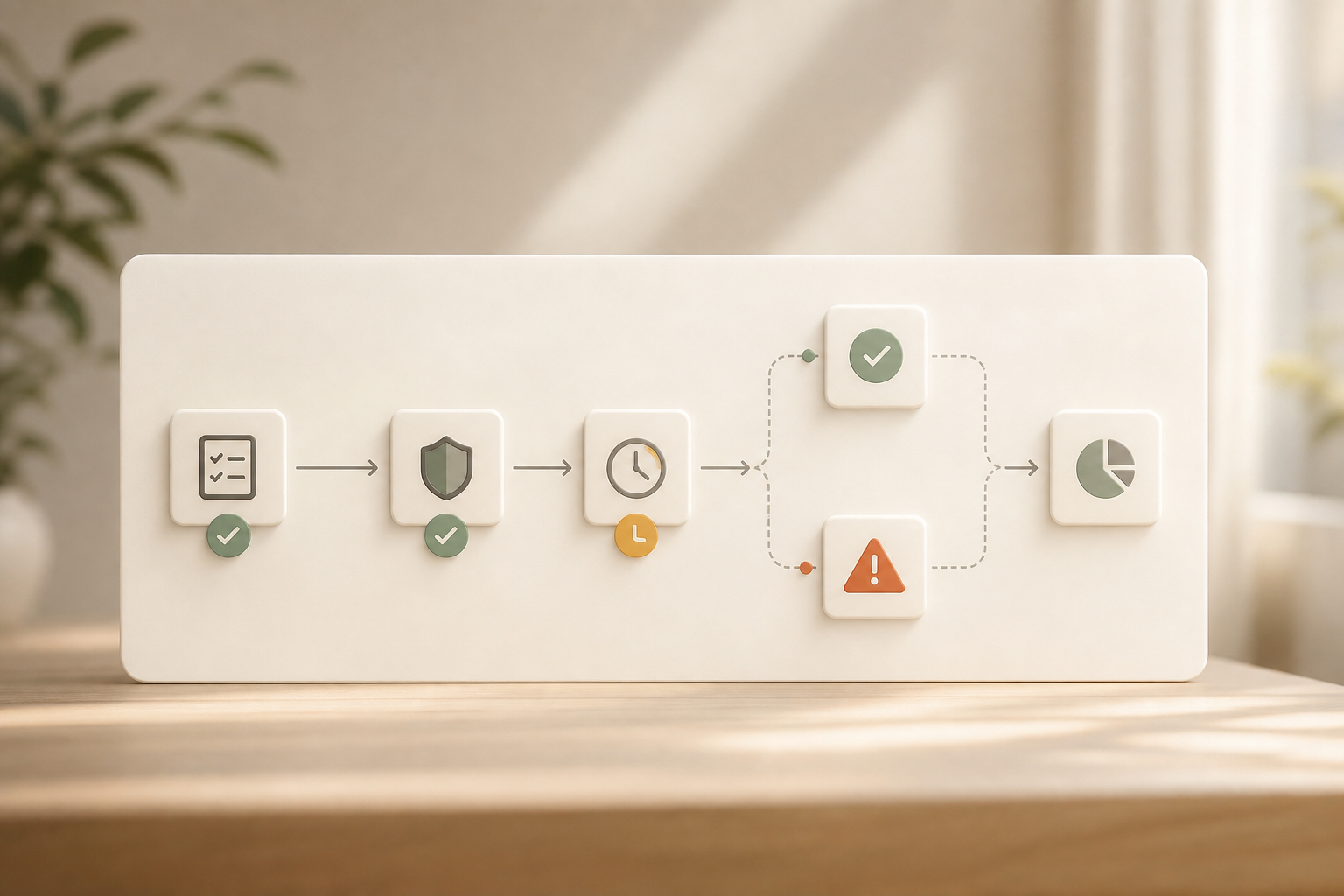
- Step 1: Scope the mandate with the AI-structured intake. Define milestones, output formats, and timelines.
- Step 2: Fund the full engagement or the first milestone into secured escrow. Funds are visible but not released.
- Step 3: Receive deliverables inside the 1‑on‑1 workspace. Use the regulatory cooldown to review line-by-line.
- Step 4: Accept, revise, or dispute before the cooldown closes. Only accepted milestones release funds.
- Step 5: Maintain your audit trail. All files, comments, and approvals remain attached to the mandate.
To visualize workflow, think of a vendor dispute broken into milestones: (1) file review and facts memo, (2) draft legal notice, (3) final notice and dispatch proof. You fund the full amount into escrow, check each milestone within the cooldown, and release only after acceptance, turning a stressful dispute into a series of verifiable steps.
Strengths summary you can quickly check
- Payment safety: Native escrow with a regulatory cooldown and a formal dispute path.
- Verified advocates: 100% Bar Council verified panel with transparent verification standards.
- Cost control: Free registration, no subscription, daily free questions and document reviews.
- Case clarity: AI-structured mandates and a secure workspace reduce miscommunication.
- Availability: 24/7 live mandate feed and multilingual support across Hindi, Tamil, and Telugu.
Weaknesses
However, LawyerBuddy is India-focused. If you need cross-border help or foreign-law advice, this is not the right fit. On the speed front, the bidding system means response time depends on advocate availability in your jurisdiction. Therefore, it can be fast in metros and slower in tier‑3 cities.
In addition, the platform limits you to 2 follow-up questions per case. That cap may frustrate complex or ongoing corporate matters where back‑and‑forth is normal. Finally, as a newer platform, the advocate pool can be thinner in smaller cities compared to established players. If your matter needs a very niche skill set in a less populated district, you may see fewer qualified bids.
For a grounding in how to scope your matter before posting a mandate, you might skim this practical primer on choosing a lawyer for small business. It will help you set a tight brief and speed up the right bids. If you do need multi-country coverage, consider using LawyerBuddy to structure the India portion while engaging a separate, jurisdiction-specific counsel for foreign elements.
Caveats to consider before you post
- Jurisdiction: Great domestic coverage, but not built for foreign-law matters.
- Speed variability: Bid speed depends on who’s available in your city.
- Follow-ups: Two follow-up questions per case can feel tight for complex scopes.
- Depth in small towns: Niche expertise may be limited in some tier‑3 districts.
LegalKart Overview: Strengths and Weaknesses for Small Business Owners
LegalKart is an established name in Indian legal tech with broad brand reach. As a result, it can be a convenient first stop for urgent, routine questions in 2026. Still, this comparison asks small businesses which is better for escrow-protected lawyer hiring, so we’ll focus on that lens while staying fair.
Where LegalKart Shines
LegalKart is known for phone-based instant lawyer consultations. For quick “what do I do next?” calls, that can be faster than waiting for bids. In addition, its larger brand recognition likely draws more advocates in more cities, which can help you find someone local without much effort.
Moreover, LegalKart offers fixed-fee legal packages for common small business needs like company registration, GST, and basic compliance. Therefore, if you prefer predictable fees for standard tasks, package pricing can be simpler than comparing bids.
From a breadth-of-services angle, having many routine packages in one place can reduce vendor hunting. For a busy owner who needs speed on routine work, that convenience is valuable. If your task is truly standardized, say, a fresh GST advisory or a simple incorporation, buying a package is often faster than scoping a bespoke mandate.
Speed-first use cases for LegalKart
- Immediate triage: Five- to fifteen-minute calls for “what next?” clarity.
- Standardized tasks: Incorporations, GST help, and basic compliance via fixed-fee menus.
- Local familiarity: Broad brand presence can make it easier to find nearby counsel.
Where It Falls Short for Escrow Needs
However, LegalKart does not offer a native escrow payment system. Payments are usually made directly to the service provider or through the platform without an escrow “hold‑until‑verified” layer. If your top need is pay-on-proof protection, that gap matters.
In addition, the platform’s lawyer verification process is less transparent than a stated 100% Bar Council verified guarantee. You may find a verified badge, but you may not see the same granularity on what was checked. Furthermore, without AI-structured case summaries, you must describe your issue manually. For non-lawyers, that can be hard, and it can slow down matching quality.
Finally, subscription or per-consultation pricing can add up if you have recurring needs across a quarter. For urgent calls, it’s fine. For ongoing matters that need drafts, revisions, and filings, you may want a different model to control cost and add payment protection. Also note that while fixed-fee packages feel predictable, they can still require add-ons for out-of-scope work, which you should clarify upfront.
Trust signals snapshot for LegalKart:
- Risk reversal: Clear, predictable per-consultation and fixed-fee packages help you avoid open-ended hourly surprises for routine work.
- Security: No native escrow layer; payments are not held pending verification, so protection is limited compared to an escrow-based model.
- Authority/verification: Lawyer verification details are less transparently disclosed than a 100% Bar Council verified guarantee.
If you still choose LegalKart for a non-escrow need, plan this way
- Confirm scope in writing: Spell out inclusions, exclusions, and revision rounds before paying.
- Stage payments: For multi-step work, request staged invoices tied to acceptance criteria.
- Ask verification questions: Request Bar Council enrollment details and court experience up front.
- Preserve records: Keep all instructions in-platform or via email threads to ensure a clear paper trail.
Also Read!
Feature-by-Feature Comparison: LawyerBuddy vs LegalKart Across 6 Dimensions
This head-to-head looks at six criteria tied to escrow-safe hiring. It helps you answer small businesses which is better for escrow-protected lawyer hiring based on what you value most in 2026.
| Dimension | LawyerBuddy | LegalKart | Winner |
|---|---|---|---|
| Escrow Payment Security | Native secured escrow with a regulatory cooldown before release. Funds move only after checks. | No dedicated escrow system; payments are not held pending verification. | LawyerBuddy |
| Lawyer Verification | 100% Bar Council verified panel with transparent verification. | Less specific verification disclosures. | LawyerBuddy |
| Case Structuring & AI Tools | AI-structured mandates with jurisdiction, issue, budget, and documents pre-organised. | Manual case descriptions; no native AI mandate builder. | LawyerBuddy |
| Speed of Access to a Lawyer | Bidding model; speed depends on advocate availability. Has a 24/7 live mandate feed across India. | Instant phone consultations for quick queries. | LegalKart |
| Breadth of Legal Services | Mandate-focused; strong for disputes, notices, and counsel hiring. | Wider set of fixed-fee packages for routine compliance and registrations. | LegalKart |
| Communication & Case Management | Secure 1‑on‑1 workspace for documents and messaging; clear audit trail. | Standard messaging/calls; less emphasis on a case workspace. | LawyerBuddy |
Moreover, the “winner” depends on your priorities. If you need escrow and a transparent hold-and-release flow, LawyerBuddy leads. If you need a quick phone opinion at 8 pm, LegalKart likely gets you there faster.

Pricing Comparison: What Small Businesses Actually Pay
Price is not just the rupees you spend. It is also the risk you accept. Therefore, the real question is not only small businesses which is better for escrow-protected lawyer hiring, but which model keeps your money safe without adding platform costs.
On LawyerBuddy, registration is free with no subscription fee. You only pay the advocate’s fee, and the platform holds it in a secured escrow until the regulatory cooldown completes and you are satisfied with the work. In addition, the advocate bidding model can bring market-driven quotes, which may land lower than a rigid fixed-fee for nuanced matters. Plus, 5 free legal questions and 5 free document reviews each day can remove small doubts before you post a paid mandate.
On LegalKart, you pay per consultation (commonly in the ₹499–₹999 band for phone calls) and/or buy fixed-fee packages for set services. That’s clear and predictable. However, if your quarter includes several issues, those per-use costs can stack up. There is also no native escrow layer, so you trade payment protection for speed and simplicity.
Hypothetical quarter: a small e-commerce firm faces (1) a vendor dispute, (2) a trademark query, and (3) a GST compliance doubt.
- On LawyerBuddy: You might use daily free questions and document reviews to triage the trademark and GST items, then post a funded mandate for the vendor dispute with escrow protection. You pay only the advocate’s quoted fee, held in escrow, with no platform subscription.
- On LegalKart: You might book two or three phone consults at ₹499–₹999 to cover the trademark and GST queries, then consider a package or further consults for the vendor dispute. You get predictable per-call costs, but no escrow.
For a step-by-step way to scope these matters before paying, see this practical lawyer for small business guide and note where a free pre-engagement check could save a consult.
Trust Signals: Quick Reference for Pricing and Risk
When evaluating real costs, layer in trust signals to avoid false savings:
- Risk reversal (LawyerBuddy): Free registration and no subscription reduce commitment risk; the daily allotment of free legal questions and document reviews lets you validate scope before you lock funds.
- Security (LawyerBuddy): Escrow with a regulatory cooldown lets you review deliverables and raise a dispute before funds move—functionally a built-in money safeguard.
- Authority (LawyerBuddy): A 100% Bar Council verified panel reduces the chance of engaging unqualified counsel—this protects value even if two quotes look similar.
- Predictability (LegalKart): Per-consultation and fixed-fee packages make budgeting simpler for standard, routine tasks even though there is no escrow layer.
These signals add context to rupee prices and can materially change which option is “cheaper” after risk is priced in. Also remember to confirm tax treatment up front: request GST-compliant invoices and clarify whether quoted fees are inclusive or exclusive of taxes to keep bookkeeping clean.
Procurement checklist: compare quotes apples-to-apples
- Scope normalization: Align inclusions, exclusions, and revision rounds across all bids.
- Timeline clarity: Add start dates, interim checkpoints, and final acceptance windows.
- Risk pricing: Add or subtract value based on escrow protection, verification level, and workspace quality.
- Tax and billing: Confirm GST details, invoice cadence, and whether out-of-pocket expenses are capped or pass-through.
Also Read!
How to Find a Lawyer Through a Bidding Marketplace in Rural India
Dispute Playbook: Turning Escrow Into Real Protection
Even the best-scoped mandate can hit bumps.
-
Define deliverables as checkable milestones: dates, formats (DOC/PDF), and acceptance criteria. This makes the cooldown meaningful.
-
Keep every file and message inside the case workspace: it becomes your audit trail if you need to pause release.
-
Use the cooldown deliberately: as work lands, review line-by-line, confirm that revisions were incorporated, and only then approve release.
-
If there’s a mismatch, communicate once in-platform and trigger the dispute flow before the cooldown ends. This discipline pairs well with LawyerBuddy’s secured escrow and structured mandates. If you are on a platform without native escrow (e. g., LegalKart), adapt the playbook by insisting on staged invoices and written acceptance criteria before paying.
Additional practical steps small businesses can apply:
- Clarify revision rounds: State how many revisions are included per milestone and what qualifies as a “new scope” request to avoid stalemates.
- Timestamp everything: Ask the advocate to acknowledge receipt of key documents within the workspace to cement timelines.
- Attach evidence to milestones: For filings, include proof-of-filing or acknowledgment numbers as part of the acceptance criteria.
- Choose a decision owner: Within your company, assign one person to accept or reject milestones so decisions don’t stall during the cooldown window.
- Build a fallback: If a dispute can’t be resolved, know whether the platform can split funds proportionally for partially accepted work, or reassign the mandate.
Mini-scenario example:
-
Situation: You fund an escrow mandate for a supplier non-delivery dispute, split into three milestones (facts memo, draft notice, final dispatch with proof). – Event: The draft notice arrives but misses a critical clause you flagged. – Action: You request a revision inside the workspace, attach your earlier instruction, and pause release during cooldown.
-
Outcome: The advocate revises the draft within the window; you approve, and the platform releases the milestone payment. If not, you escalate via the dispute path before funds move. This turns the policy language around escrow into a real, day-to-day safety mechanism.
Regional Fit and Speed: Practical Notes for Indian SMBs
India’s legal landscape is fragmented across jurisdictions and languages.
- Jurisdiction first: Identify where your dispute will be filed or noticed (e. g., city/district). Bids from out-of-jurisdiction counsel may be less useful for filings.
- Language matters: If you’re more comfortable in Hindi, Tamil, or Telugu for drafting and reviews, say it up front.
LawyerBuddy’s multilingual support is helpful here.
- Timing: Use the 24/7 live mandate feed on LawyerBuddy to improve visibility. For “I just need to talk to someone now” questions, LegalKart’s instant phone consultations are often faster.
- Complexity filter: For routine registrations and GST queries, fixed-fee packages can reduce back-and-forth. For disputes or bespoke agreements, escrow-held milestones with a structured brief reduce risk.
More regional and timing tips:
-
Court calendars and holidays: Factor regional court schedules and public holidays into milestone due dates, especially for urgent filings. – Local counsel coordination: Even if you start with a national platform, confirm the advocate’s local filing access and experience with the specific registry or tribunal you’ll face. – After-hours needs: If you anticipate evening reviews, note that LawyerBuddy’s live mandate feed can surface your case to on-call advocates; for immediate voice triage at odd hours, LegalKart’s instant consults can be faster.
-
Documentation norms: Some districts may prefer or require vernacular submissions; align language early to avoid rework and delays. – Hand-off readiness: If you expect potential escalation (e. , from a notice to a suit), keep your workspace organized so another counsel can onboard quickly if needed.

Verdict: Which Platform Should Your Small Business Choose for Escrow-Protected Lawyer Hiring?
For the specific intent of escrow-protected hiring, LawyerBuddy is purpose-built. It is the only platform in this comparison with a native secured escrow system that releases after a regulatory cooldown, a 100% Bar Council verified advocate panel, and AI-structured case mandates that pre‑organise jurisdiction, issue, budget, and documents. If payment security and advocate accountability are your top two priorities, this is the stronger match in 2026.
However, LegalKart serves a different strength. If you want quick phone consultations for routine compliance or prefer fixed-fee packages for standard business registrations, its established model may be more convenient. You trade escrow and AI case structuring for speed-to-advice and a broad menu of routine services.
Therefore, neither platform is universally “better.” The right choice depends on whether you value payment protection or rapid access for simple questions. In other words, decide small businesses which is better for escrow-protected lawyer hiring by ranking your needs first, then choosing the tool that fits.
To make the decision more concrete, map your needs to trust signals:
- If you prioritize risk reversal and security, LawyerBuddy’s free registration, daily free questions/reviews, secured escrow, and regulatory cooldown align closely with that goal.
- If you prioritize speed for routine matters and predictable package pricing, LegalKart’s instant phone consultations and fixed-fee menus are aligned, understanding that there is no escrow layer.
[Get escrow protection, start free today →]. Platforms like LawyerBuddy can structure mandates so drafting and filing components are clearly separated, reducing mismatch risk.
- How should I compare quotes across platforms?
Normalize for scope (what’s included/excluded), timeline, and revision rounds. Add the value of escrow protection, verification, and a secure workspace to the price calculation; these reduce downstream risk and rework costs.
- When should I avoid escrow?
For ultra-quick, low-stakes queries where you need a five-minute steer, paying per consult can be fine. But when deliverables, filings, or negotiations are involved, escrow-backed milestones generally protect you better than straight prepayment.
- Does verification really matter if I’m only buying a template?
Yes. Even for templates, a verified advocate’s accountability and ability to tailor language to your jurisdiction can prevent costly errors, especially when a “simple” document controls tax, IP, or vendor risk.
- What’s a simple way to define good milestones?
Use the “3 Cs” checklist: Clear output (what file/proof), Concrete deadline (date/time), and Confirmable acceptance criteria (who signs off and what they check). If you cannot define those, the scope needs refinement before you fund.
Final Trust Signals Recap
- RiskReversal: Free registration, no subscription, and daily free Q&A plus document reviews on LawyerBuddy before committing funds.
- Security: Native escrow with a documented cooldown and a dispute path; secure, auditable 1‑on‑1 workspace for all case communications on LawyerBuddy.
- Authority: 100% Bar Council verified advocate panel on LawyerBuddy with transparent verification standards.
- Predictability: LegalKart’s per-consultation and fixed-fee packages for routine needs when escrow is not your primary requirement.
By aligning these verified trust signals with your immediate priorities, payment protection vs. speed for routine tasks, you can confidently answer small businesses which is better for escrow-protected lawyer hiring for your specific quarter’s needs.